Why Industry Coalitions Need a Shared Digital Platform Instead of More Spreadsheets

Learn how a shared digital platform help industry coalitions streamline data collection, strengthen collaboration, and demonstrate measurable programme impact. Industry associations and multi-stakeholder initiatives have never played a more important role in driving sustainability, chemical compliance, responsible sourcing, and supply chain transparency. By bringing together brands, suppliers, manufacturers, certifiers, and regulators, these organisations create the […]
Use Case: How an Electronics Manufacturer Centralised SDS Management Across Multiple Facilities
Learn how a global electronics manufacturer improved chemical compliance through centralised SDS management across PCB assembly and maintenance chemicals. The Challenge A global electronics manufacturer used hundreds of chemical products across printed circuit board (PCB) assembly, component cleaning, soldering, conformal coating, adhesives, and equipment maintenance. Each manufacturing facility managed its own Safety Data Sheets (SDSs), […]
AI-Powered Custom Supply Chain Technology
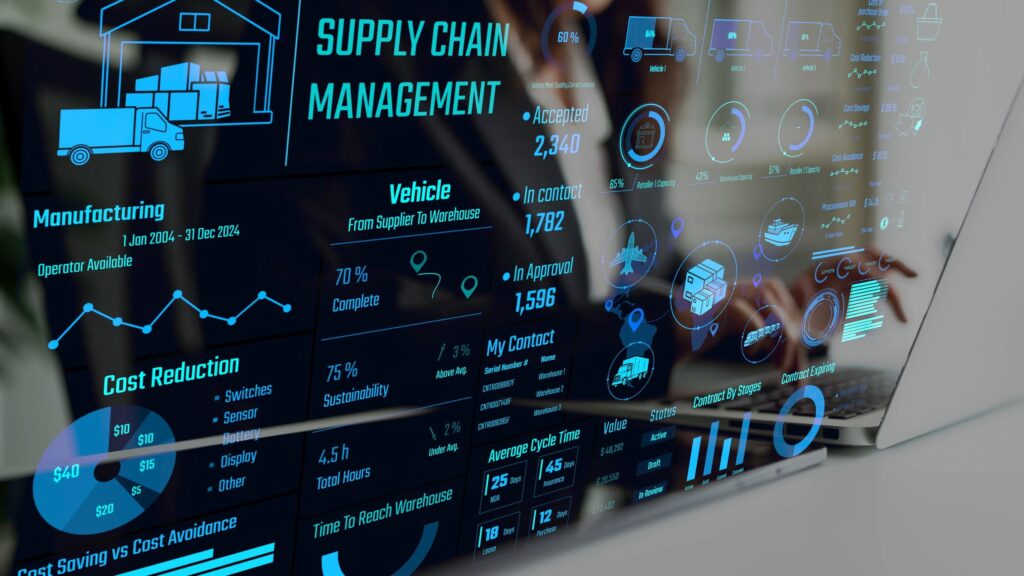
AI-powered custom supply chain technology designed to improve visibility, streamline compliance, and connect complex supplier networks. Supply chains are increasingly complex, spanning multiple suppliers, systems, compliance obligations, and vast streams of fragmented data. In this environment, standard software solutions often struggle to keep pace, introducing inefficiencies rather than resolving them. A growing shift toward customised, […]
What Apparel Brands Need to Know About Digital Product Passports

Prepare your apparel brand for Digital Product Passports (DPP). Learn why clean, connected supply chain data is essential for compliance and transparency. The apparel industry is entering a new era of transparency. As consumers, regulators, and investors demand greater visibility into how products are made, brands are being asked to provide more detailed information about […]
Why Sustainability Initiatives Need an AI-Driven Digital Backbone

Learn why AI-driven digital infrastructure is becoming essential for supply chain sustainability, supplier engagement, and compliance at scale. Across the apparel and manufacturing industries, sustainability has evolved from a compliance requirement into a strategic business imperative. Industry associations, brands, manufacturers, NGOs, consultants, and verification bodies are all working toward a common goal: creating more transparent, […]
Supply Chain Visibility and Chemical Compliance: Why Manufacturers Need Both
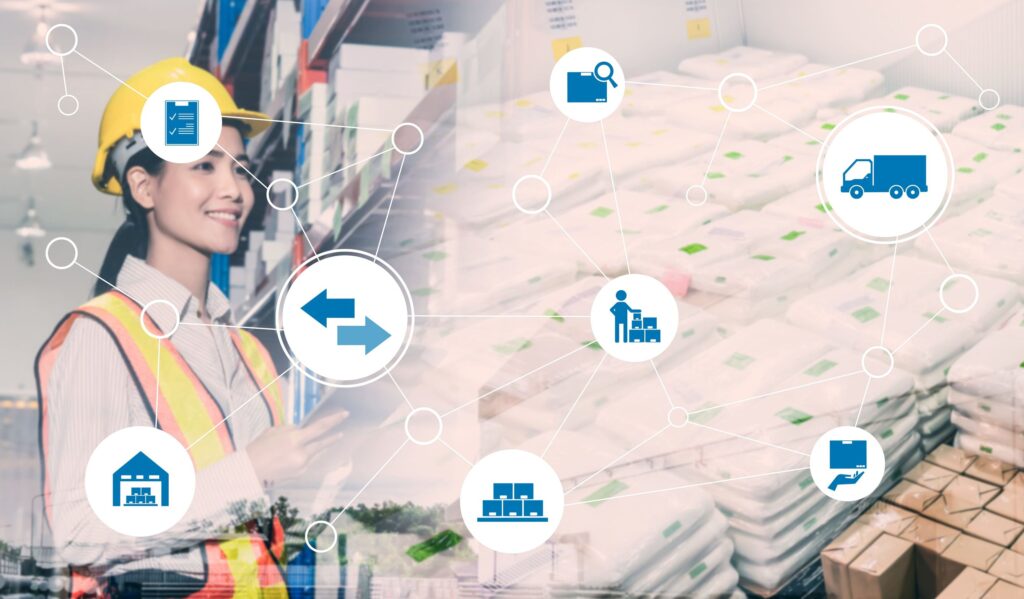
Increase supply chain visibility and strengthen chemical compliance across global supply chains. Supply chain visibility has become one of the defining challenges facing manufacturers. As supply networks expand across multiple countries, facilities, and supplier tiers, organisations are under increasing pressure to understand not only where their products come from, but also the chemicals used throughout […]
The Hidden Cost of Disconnected Supply Chains

Disconnected supply chains do not break overnight. They erode performance gradually through inefficiency, lack of visibility, and operational friction. Most supply chains don’t fail because of a single major issue. They fail quietly, over time through fragmentation, misalignment, and a lack of visibility across systems, suppliers, and operations. On the surface, everything appears to be […]
Redefining Supply Chain Compliance Through Speed, Automation, and Supplier Self-Service

Why technology is becoming the deciding factor in supply chain compliance. As supply chain compliance becomes more complex, the market is shifting away from manual, service-heavy models toward intelligent, automated technology platforms that can scale globally. For years, chemical compliance and sustainability reporting have depended heavily on fragmented spreadsheets, manual SDS reviews, delayed reporting cycles, […]
Transforming Chemical Compliance and Supply Chain Transparency for Modern Brands

Transforming chemical compliance and supply chain transparency with automated supplier engagement, SDS management and regulatory monitoring for modern brands. From Fragmented Data to Full Visibility: A New Era of Chemical Compliance for Brands What CleanChain Can Offer Brands: A Scalable Chemical Compliance & Transparency Platform Across global supply chains, brands are under increasing pressure to […]
Why the Future of Supply Chain Sustainability Depends on Digital Collaboration

The future of supply chain sustainability depends on digital collaboration For years, supply chain sustainability initiatives have focused on improving factory conditions, strengthening worker wellbeing, and supporting safer production practices across global apparel manufacturing. Organisations in Bangladesh, alongside industry initiatives across India and other sourcing regions, have demonstrated the value of collaboration, training, and continuous […]