
Why technology is becoming the deciding factor in supply chain compliance.
As supply chain compliance becomes more complex, the market is shifting away from manual, service-heavy models toward intelligent, automated technology platforms that can scale globally.
For years, chemical compliance and sustainability reporting have depended heavily on fragmented spreadsheets, manual SDS reviews, delayed reporting cycles, and resource-intensive onboarding processes. While many organisations have built strong operational and field-service networks, the real competitive advantage is increasingly being defined by the technology platform itself.
This is where CleanChain is redefining what modern chemical compliance and supplier engagement should look like.
Why Technology Is Becoming the Deciding Factor in Supply Chain Compliance
Supply chains require:
- Faster supplier onboarding
- Real-time compliance visibility
- Automated data extraction
- Simplified reporting
- Scalable supplier engagement
- Reduced administrative burden
Suppliers and brands no longer want to wait weeks for manual reviews, approvals, or report generation. They expect digital experiences that are intuitive, responsive, and immediate.
The next generation of supply chain compliance platforms will win because they remove friction from the process.
CleanChain was designed with this principle at its core.
The Shift from Manual Processes to Intelligent Automation
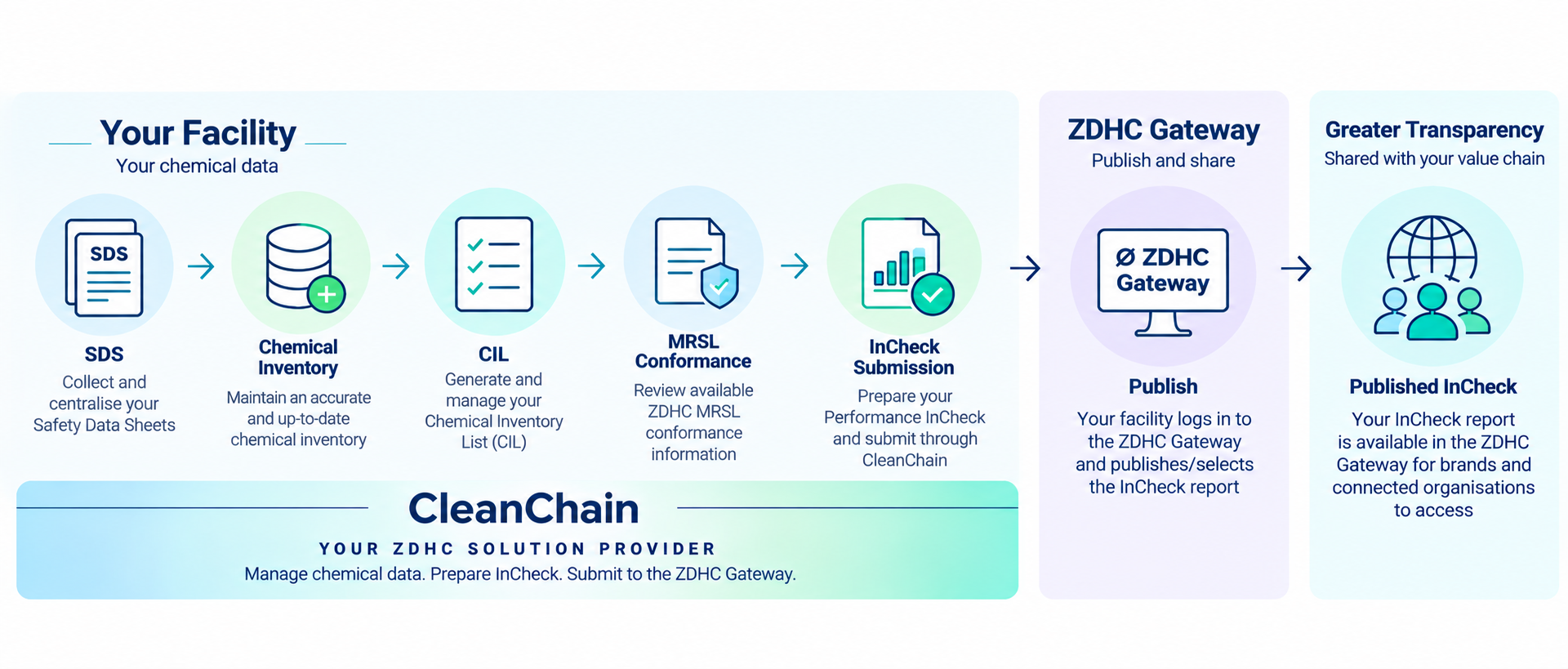
One of the biggest pain points in chemical management remains the handling of Safety Data Sheets (SDS), chemical inventory lists, and compliance reporting workflows.
In many traditional systems:
- Suppliers must wait for manual approvals
- SDS uploads are reviewed manually
- Technical support teams process documents behind the scenes
- Reporting cycles are delayed by weeks
- Supplier onboarding requires extensive administration
These workflows create inefficiencies across the supply chain and place unnecessary pressure on suppliers already managing complex operational demands.
CleanChain changes this dynamic through automation-first architecture.
Suppliers can:
- Self-register directly on the platform
- Upload SDS documents immediately
- Begin inventory creation without delays
- Generate reports in near real time
- Manage compliance workflows independently
This transition from manual administration to self-service digital workflows is one of the most important evolutions happening in supply chain compliance.
Speed Is No Longer a Luxury, It Is an Expectation
Traditional compliance workflows often operate in weeks.
Modern supply chains operate in minutes. This difference matters.
With CleanChain:
- Supplier onboarding can happen in minutes
- SDS processing can take minutes
- InCheck reports generate instantly
- Technical reports are created automatically in the background
- Supplier support responses are typically delivered within hours
For global supply chains managing thousands of chemicals, facilities, and suppliers, speed directly impacts operational efficiency, reporting accuracy, and supplier adoption.
The organisations that reduce friction will ultimately achieve greater participation and better data quality across their networks.
User Experience Is Becoming a Strategic Advantage
Technology adoption in supply chains depends heavily on usability. If platforms are overly manual, difficult to navigate, or administratively complex, supplier participation suffers.
CleanChain focuses heavily on supplier usability through:
- Simple onboarding
- Automated product data population
- Easier Excel templates
- Flexible unit management
- Faster PID product matching
- Guided workflows
- Structured learning resources
The platform is designed to reduce the administrative burden placed on suppliers while improving reporting quality and consistency. This matters because sustainability programs only scale when suppliers can participate efficiently.
The Rise of Connected Compliance Ecosystems
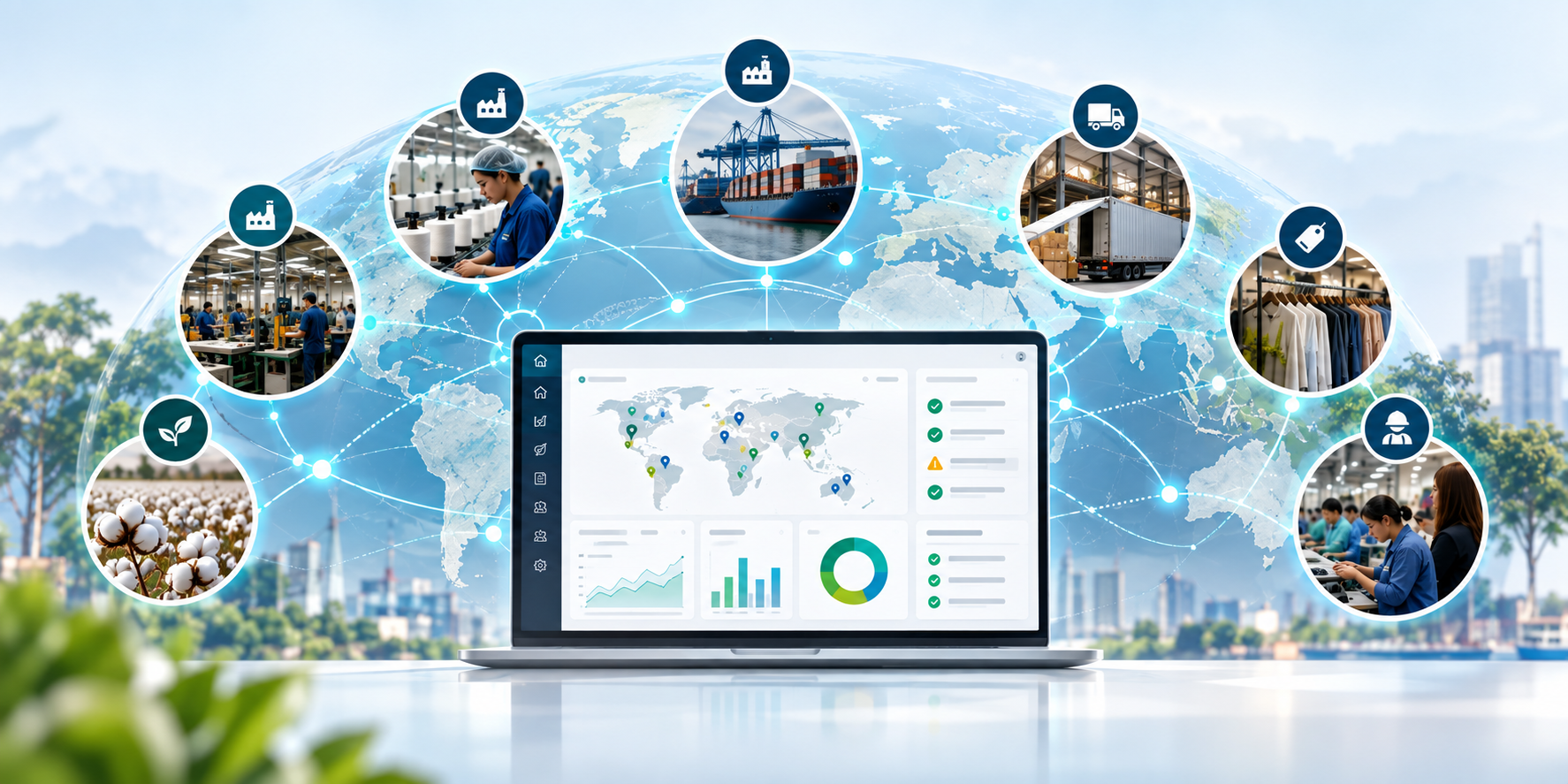
Another major shift in supply chain compliance is the movement toward connected digital ecosystems.
Compliance is no longer a one-directional reporting exercise. It requires collaboration between:
- Brands
- Suppliers
- Laboratories
- Sustainability teams
- Compliance managers
CleanChain’s “Connections” functionality reflects this evolution by enabling suppliers to:
- Connect directly with brands
- Share reports seamlessly
- Connect with laboratories
- Manage relationships within the platform
This creates a more transparent and collaborative compliance environment, replacing disconnected email chains and manual coordination processes.
Automation Is the Future of Chemical Compliance
As regulatory pressure grows and ESG reporting expectations increase, manual compliance management will become increasingly unsustainable.
Brands now require:
- Faster access to supplier data
- Greater chemical transparency
- Better traceability
- Scalable reporting systems
- Real-time compliance visibility
Platforms that rely heavily on manual workflows will struggle to scale at the pace modern supply chains demand.
CleanChain’s automation capabilities position it strongly for this next phase of supply chain digitisation through:
- Automatic SDS parsing
- Automated reporting workflows
- Real-time report generation
- VOC and air emissions support
- Flexible compliance framework integration
- Supplier self-service functionality

Beyond Compliance: Building Better Supplier Experiences
One of the most overlooked aspects of supply chain technology is supplier experience.
Suppliers are often asked to comply with increasingly complex reporting requirements while using systems that create additional workload and delays. The platforms that succeed long term will be the ones suppliers actually want to use.
CleanChain’s approach focuses on:
- Faster onboarding
- Reduced manual entry
- Simplified workflows
- Faster support
- Training and educational enablement
- Real-time visibility into performance
This creates stronger supplier engagement while improving overall data quality and participation rates.
The Future of Sustainable Supply Chains Is Digital
The future of chemical compliance and sustainability reporting will be defined by:
- Automation
- Real-time visibility
- Scalable digital infrastructure
- Supplier-centric experiences
- Connected ecosystems
- Faster decision-making
Technology platforms are no longer just administrative tools. They are becoming the operational backbone of sustainable supply chains.
CleanChain’s competitive advantage lies in its ability to combine:
- Speed
- Automation
- User experience
- Self-service functionality
- Real-time reporting
- Flexible compliance architecture
into a platform designed for the realities of modern global supply chains.
As the industry moves beyond manual workflows and fragmented reporting processes, the organisations that invest in intelligent, supplier-friendly technology will be best positioned to scale sustainability, improve compliance outcomes, and drive long-term supply chain resilience.
cleanchaininfo@adec-innovations.com