Beyond Tier 1: Why ZDHC Brands Need Full Supply Chain Visibility Now

Discover why ZDHC Brands must move beyond Tier 1 suppliers to achieve full supply chain visibility. Global supply chains are under increasing pressure to deliver not only operational efficiency, but also full transparency, chemical compliance, environmental accountability, and measurable sustainability performance. For many organisations, visibility still stops at Tier 1 suppliers creating significant blind spots […]
Simplify Chemical Management with Our Advanced SDS Tool
Advanced SDS Tool – Managing chemicals across a global supply chain is no small feat, especially when compliance, safety, and sustainability are on the line. From ever-evolving regulations to the need for real-time data and supplier transparency, businesses today face increasing pressure to ensure that their chemical management practices are both efficient and responsible. That’s […]
Turning Compliance into Collaboration: SDS Management with Your Supply Chain
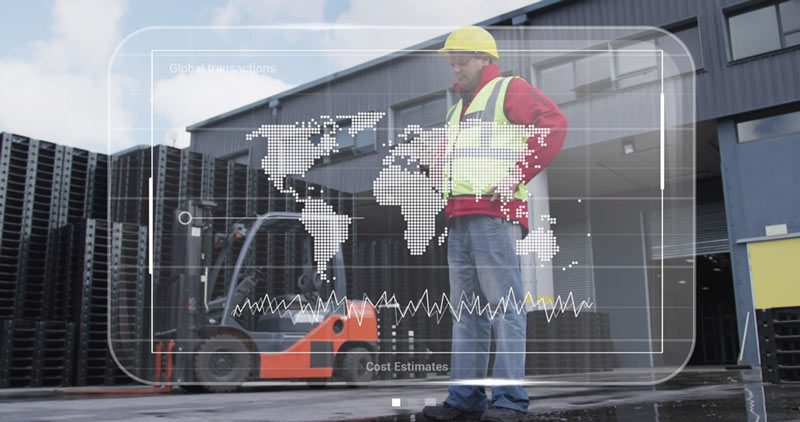
Compliance doesn’t have to be a one-sided burden. In fact, the most effective SDS management strategies turn regulatory requirements into opportunities for collaboration and efficiency. CleanChain’s SDS tool is built to do exactly that—transforming how you work with suppliers to manage safety data sheets (SDS) through automation, real-time visibility, and shared accountability. Takeaway: SDS Management Works […]
Your Chemical Data Is Probably Incomplete: Why It’s Time to Rethink Chemical Management
Your chemical data is likely incomplete and that creates hidden compliance risk across your supply chain. In most organisations, chemical compliance feels under control on the surface. There are spreadsheets, supplier declarations, Safety Data Sheets (SDS), and internal tracking systems in place. But beneath that structure, a critical issue is often overlooked: Your chemical data […]
Why Sustainability Consulting Is Shifting from Strategy to Execution
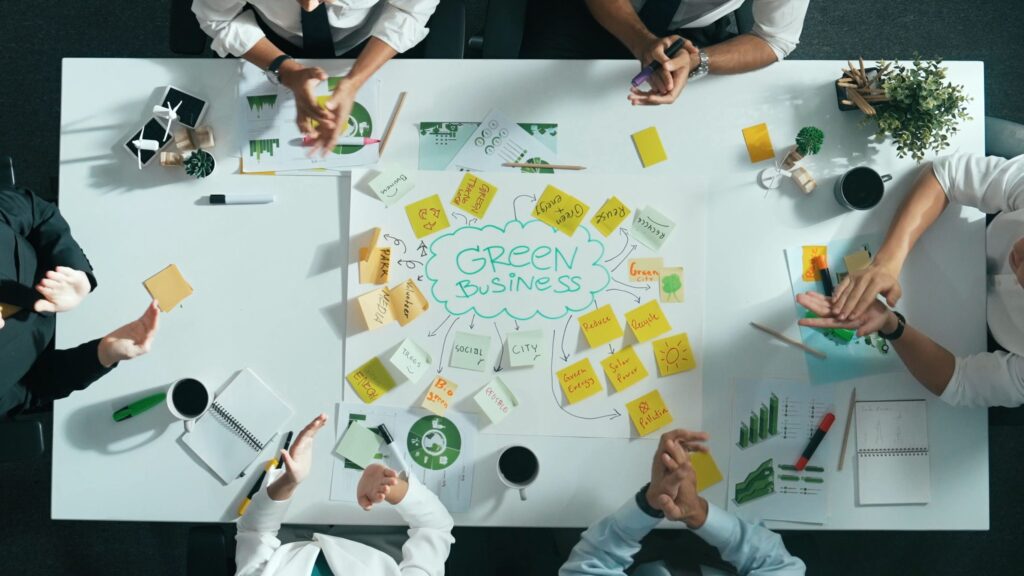
Sustainability consulting has moved firmly into the centre of business strategy. What was once a reporting function is now a core driver of risk management, competitiveness, and long-term resilience. But as expectations rise, a clear gap is emerging between sustainability strategy and sustainability execution. Increasingly, organisations are finding that defining ESG ambitions is no longer […]
供应商智能SDS管理指南
安全数据表(SDS)管理,对纺织与化学品行业的供应商而言,其重要性从未像今天这样凸显。日趋严格的法规、品牌方的审核压力,以及不断提升的可持续发展要求,意味着SDS处理中的任何错误或延误,都可能迅速演变为合规难题,并危及合作关系。然而,仍有许多供应商依赖电子表格、零散文件和人工流程开展工作,这让他们极易陷入失误、延误和审计挑战的困境。 现代化的管理工具正在改变这一局面,助力供应商实现化学品数据的集中化、自动化管理,并能以可靠的方式完成数据报送。 为何SDS管理不容忽视? SDS文件是企业安全运营与维护品牌信任的关键保障。高效的SDS管理能够: 不合规的代价十分高昂:SDS信息有误,会导致审计不通过、产生罚款,并丧失品牌方信任。 供应商面临的主要痛点 即便是经验丰富的供应商,也常会遇到以下瓶颈: 核心数据:78%的化学品供应商反馈,人工管理SDS存在效率低下与数据出错问题。(来源:2025年行业调研报告) 数字化SDS工具如何解决以上难题 CleanChain等现代化平台可简化SDS/MSDS全流程管理、降低合规风险,核心功能包括: 批量上传SDS 智能自动产品匹配 合规与可持续发展一体化 即刻生成品牌标准报表 供应商为何纷纷采用数字化SDS管理 完成SDS管理数字化升级的供应商,可收获实实在在的益处: 结语:合规即是竞争优势 高效的SDS管理不只是为了满足法规要求,更是企业打造差异化竞争力的途径。 对化学品数据实行集中化管理、自动化处理与精准化报送的供应商,能够减少差错、持续合规,并赢得品牌方的信任。 CleanChain这类平台让合规工作更高效、更简便、更透明,助力供应商在监管日趋严格的行业中紧跟发展步伐。 核心要点:精简高效的SDS管理 = 更低风险 + 更高效率 + 更强的品牌合作信任 预约演示:cleanchain.cn@adec-innovations.com
How does Nike’s Supply Chain Work?

As one of the most recognisable brands in the world, the American multinational is arguably the most influential player in the modern textile industry. Behind the hundreds of millions of shoes and other products Nike sells each year lies a highly complex supply chain. Their success has been attributed by many to the proactive approach of […]
The Growing Complexity of Chemical Compliance in Manufacturing: A Powerful Guide for Manufacturing Success

Chemical compliance in manufacturing has become a critical part of operations rather than a background administrative task. Whether producing automotive parts, textiles, electronics, or industrial goods, manufacturers must now carefully manage how chemicals are sourced, used, stored, and reported. Chemical compliance in manufacturing directly impacts production continuity, worker safety, brand reputation, and global market access. […]
The Digital Product Passport Is Coming for Electronics and Data Readiness Will Define market Leadership

A New Era of Transparency With the EU’s Ecodesign for Sustainable Products Regulation (ESPR) introducing the Digital Product Passport (DPP), manufacturers are being driven toward a new benchmark for transparency—one built on structured, verifiable, and easily shareable data across the product lifecycle. The Digital Product Passport is a new EU requirement set to become mandatory […]
2025:验证之年与2026年领先策略

2025年,“承诺”变成了“经验证的行动”。ZDHC零排放路线图推出了重要更新,推动行业从自我报告转向了经验证的数据。对品牌而言,这带来了更大的信任。对供应商而言,这意味着数据处理的及时性与精准性。本文回顾了ZDHC在2025年的主要发展,分析了它们在整个价值链中的影响,并展示了CleanChain如何为用户赋能。 2025年ZDHC的演变:更新与变化 2025年,ZDHC聚焦数字化与简化,从复杂的PDF指南转向集中在线平台。新的“Suppliers Roadmap to Zero”为供应商提供了按自身节奏实施可持续化学品管理的分步指南。关键更新包括: 化学品清单:更严格的验证 转变:自2025年1月起,上传化学品清单生成InCheck报告时,ZDHC产品ID(PID)成为新产品的强制要求。2025年1月,CleanChain更新了化学品清单上传流程以执行此要求。 CleanChain化学品管理核心服务: 废水:新的45天窗口期 转变:截至 2025 年年底,ZDHC 已规定废水检测报告需在 45 天内提交。 关键时间节点示例: CleanChain解决方案:CleanChain与ZDHC认可的实验室合作,协助品牌和供应商满足这一要求。 空气排放:新领域 转变: 2025 年 8 月,ZDHC 正式推出了空气排放模块。这使行业从关注水和化学物质转向追踪挥发性有机化合物(VOCs)和温室气体。 CleanChain解决方案:无需从零开始。CleanChain利用您现有的库存数据支持此新模块。 为什么选择CleanChain? CleanChain不仅是平台,更是您的专属服务伙伴。无论是将Verified InCheck与年度订阅打包,还是确保ClearStream报告在45天截止日期前提交,我们都会处理好所有技术细节,让您能够专注于生产工作。, 如需确保您在 2026 年的验证工作顺利完成,请联系cleanchaininfo@adec-innovations.com,讨论Verified InCheck、ClearStream捆绑和Supplier to Zero支持。