
Increase supply chain visibility and strengthen chemical compliance across global supply chains.
Supply chain visibility has become one of the defining challenges facing manufacturers. As supply networks expand across multiple countries, facilities, and supplier tiers, organisations are under increasing pressure to understand not only where their products come from, but also the chemicals used throughout production.
For many businesses, visibility and chemical compliance are no longer separate initiatives. They are increasingly interconnected, with one directly influencing the success of the other.
A growing number of regulations, customer requirements, and sustainability commitments now require organisations to demonstrate greater transparency across their supplier networks. Yet many continue to rely on fragmented systems, spreadsheets, and manual processes that make obtaining accurate information both difficult and time-consuming.
The result is a growing visibility gap.
“Only 6% of organisations have full visibility beyond Tier 1 suppliers, leaving critical compliance and operational risks hidden deeper within the supply chain.”
The Hidden Risks of Limited Visibility
When organisations lack visibility across suppliers and facilities, risks often remain hidden until they become operational problems.
Chemical inventories may be incomplete. Safety Data Sheets (SDS) can become outdated. Supplier declarations may be missing or inconsistent. Compliance issues that originate deep within the supply chain may only surface during an audit, customer review, or regulatory inspection.
In an environment where regulatory expectations continue to evolve, these gaps can expose organisations to significant operational and reputational risks.
The challenge is particularly acute for manufacturers operating globally, where hundreds of suppliers may contribute materials, chemicals, and components to a single product.
Why Chemical Compliance Depends on Supply Chain Visibility
Chemical compliance relies on access to reliable, current information.
Organisations must be able to identify which chemicals are being used, where they are being used, and whether they comply with applicable regulations and customer requirements. Achieving this requires visibility not only within individual facilities but across the entire supplier network.
Without a clear view of supplier activities and chemical data, maintaining compliance becomes increasingly difficult.
This is why many organisations are shifting their focus from periodic compliance checks to continuous monitoring and oversight. The objective is not simply to respond to compliance issues, but to identify and address potential risks before they escalate.
The Shift Toward Digital Management
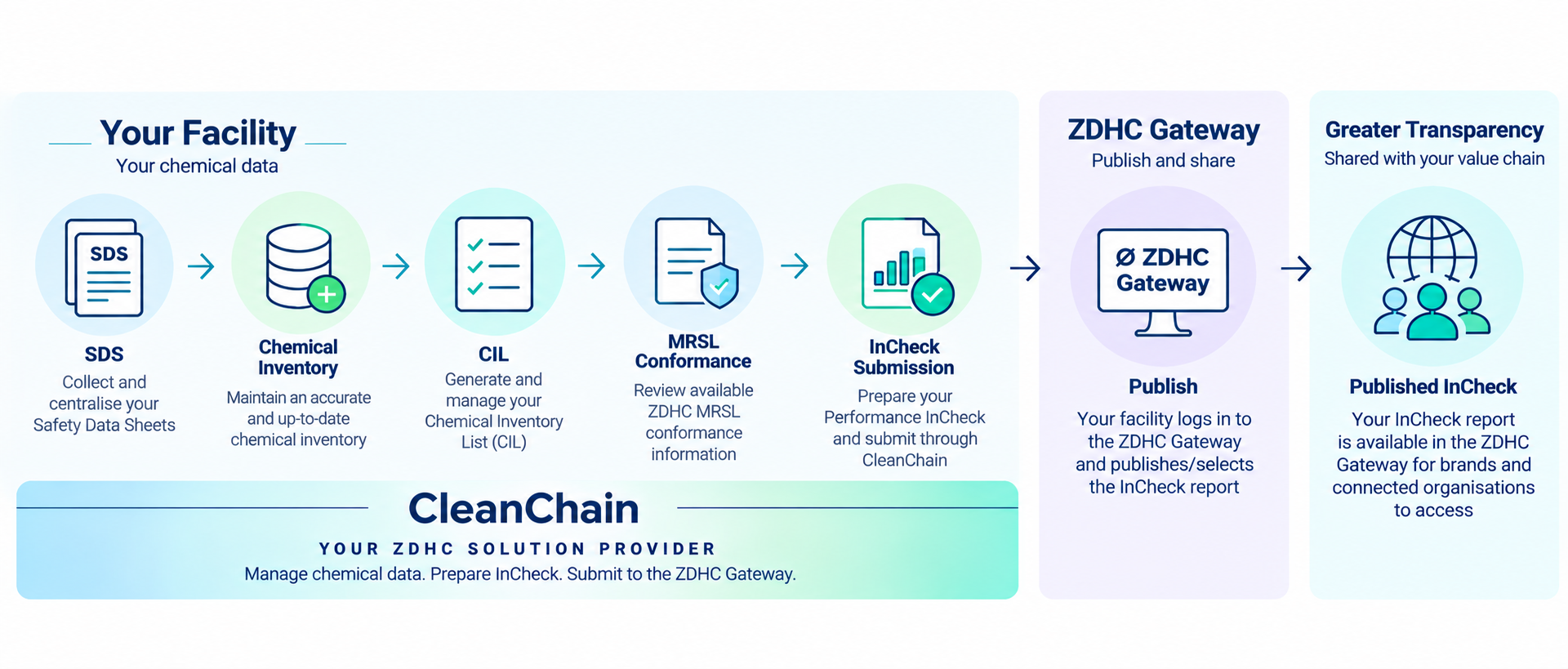
To address these challenges, manufacturers are increasingly investing in digital solutions that centralise supplier information, chemical inventories, SDS documentation, and compliance data.
Rather than managing information across multiple systems, organisations are creating a single source of truth that provides greater transparency across facilities.
This approach delivers several advantages. It enables faster decision-making, improves supplier collaboration, supports audit readiness, and helps organisations respond more effectively to regulatory changes.
Most importantly, it provides the visibility needed to manage chemical compliance at scale.
Building More Transparent Supply Chains
As global supplier networks continue to grow in complexity, visibility is becoming a fundamental requirement for effective chemical management.
Organisations that can access accurate, real-time information across their supplier networks are better positioned to reduce risk, improve compliance performance, and strengthen operational resilience.
The question facing manufacturers is no longer whether visibility matters. The focus has shifted to how quickly they can achieve it.
In an increasingly regulated and interconnected world, visibility and chemical compliance are becoming critical components of long-term business success.
Want to know more, register for our chemical webinar: How to Reduce Compliance Risk Without Increasing Headcount
What you’ll learn:
- How to reduce time spent managing SDS documents
- How to improve supplier response rates
- How to prepare for audits more efficiently
- How to create a single source of truth for chemical data
- How manufacturers are digitising compliance processes