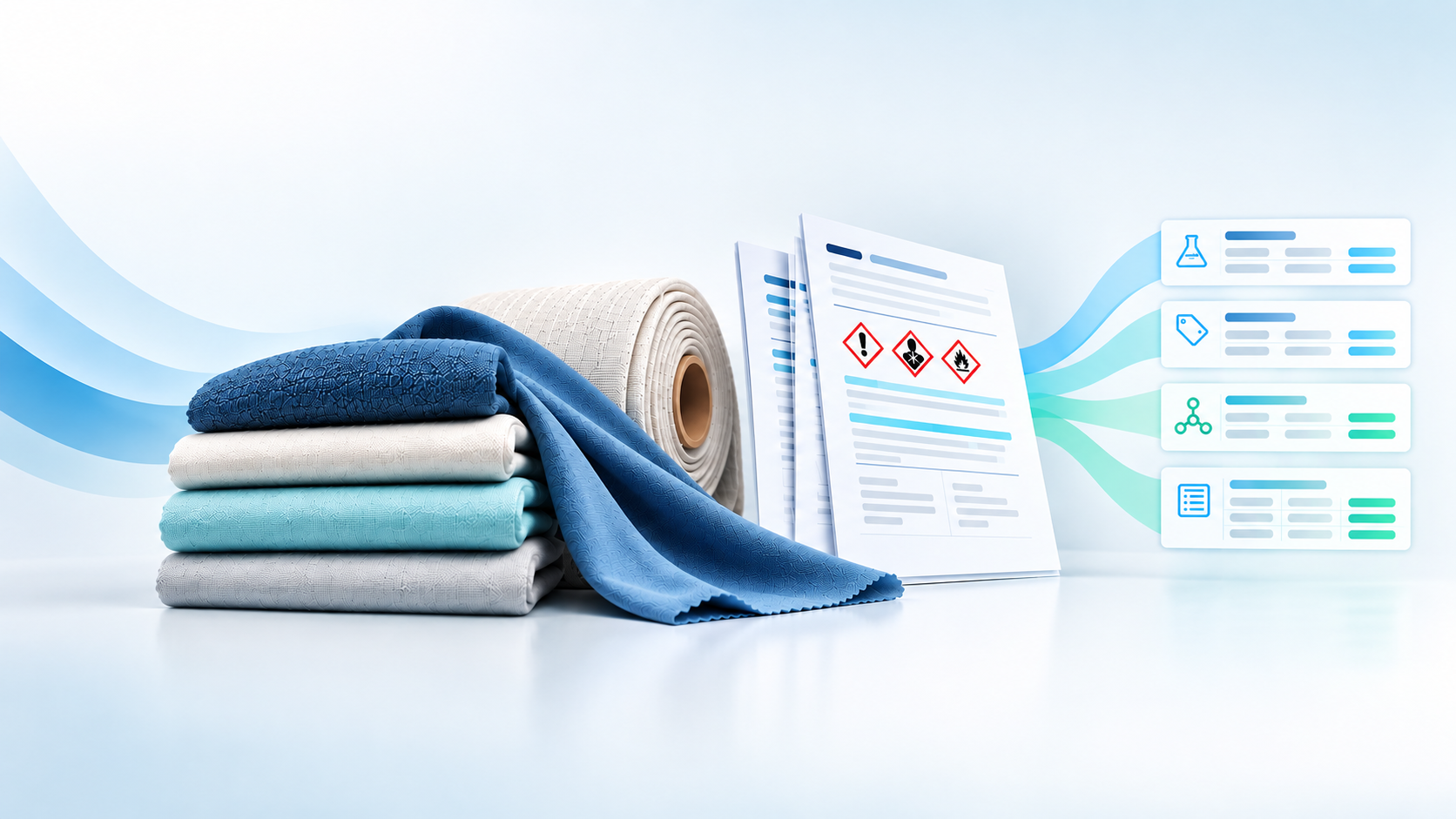
Make circularity more traceable by connecting recycled materials, batch testing, chemical management and supply chain data.
Connect recycled materials, laboratory testing, chemical information and batch documentation through CleanChain’s digital sustainability technology.
CleanChain helps brands, manufacturers and recycling partners improve circular material traceability by bringing critical material, testing and production information into a more connected digital workflow.
From recycled material origins and batch identification to chemical testing and supporting documentation, CleanChain helps organisations build greater visibility across circular manufacturing processes and make more informed material management decisions.
Effective circularity management requires more than tracking recycled material volumes. Organisations also need reliable information about where materials originate, how they are processed, which batches have been tested and where materials are used in subsequent manufacturing.
CleanChain supports connected digital workflows that bring together relevant material records, laboratory evidence, chemical information and manufacturing data.
By improving access to this information, organisations can reduce documentation gaps, strengthen material traceability and support more transparent circularity programmes.

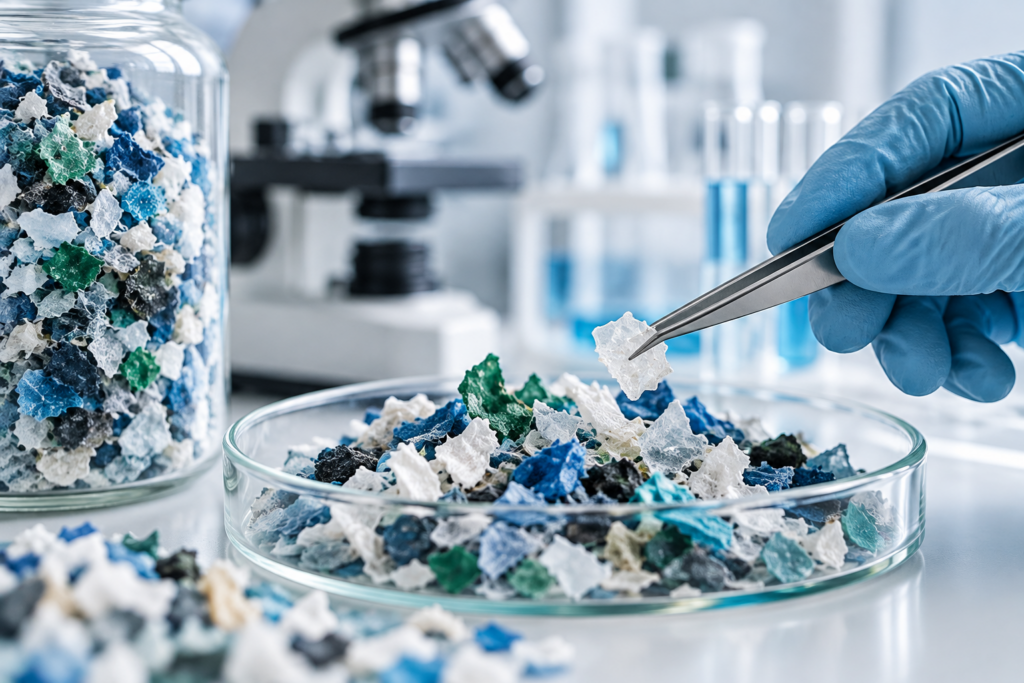
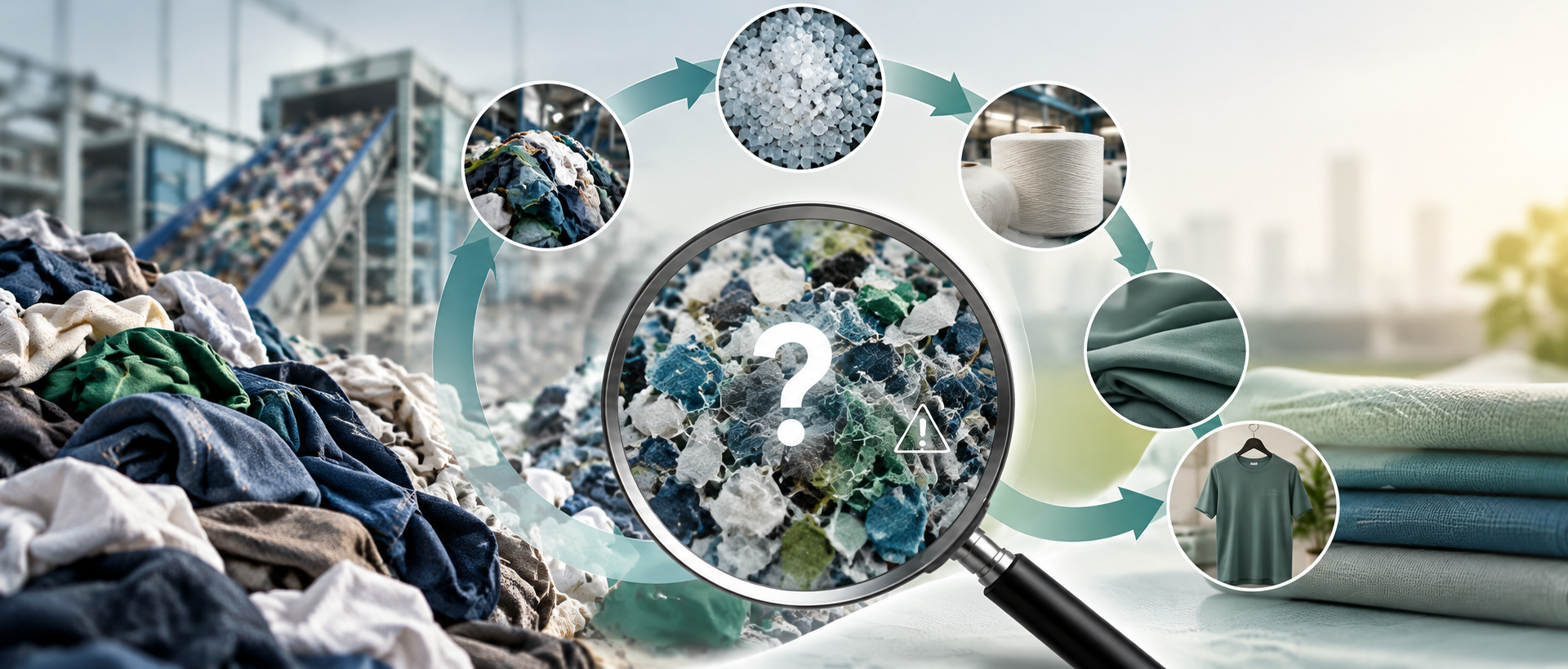
Recycled materials can contain substances originating from their previous use, processing or contamination during collection and recycling.
Testing provides an opportunity to investigate defined chemical risks before material is reintroduced into production. Where appropriate, processing recovered material into a more uniform form, such as pellets, can support the development of a representative sampling plan. Samples can be submitted to a qualified laboratory for testing against applicable restricted substance requirements.
The resulting laboratory reports can then be associated with the relevant recycled material or batch.
This helps organisations:
Testing is an important additional control point, not a guarantee of material safety. Its effectiveness depends on sampling, test scope, applicable limits and the intended end use.
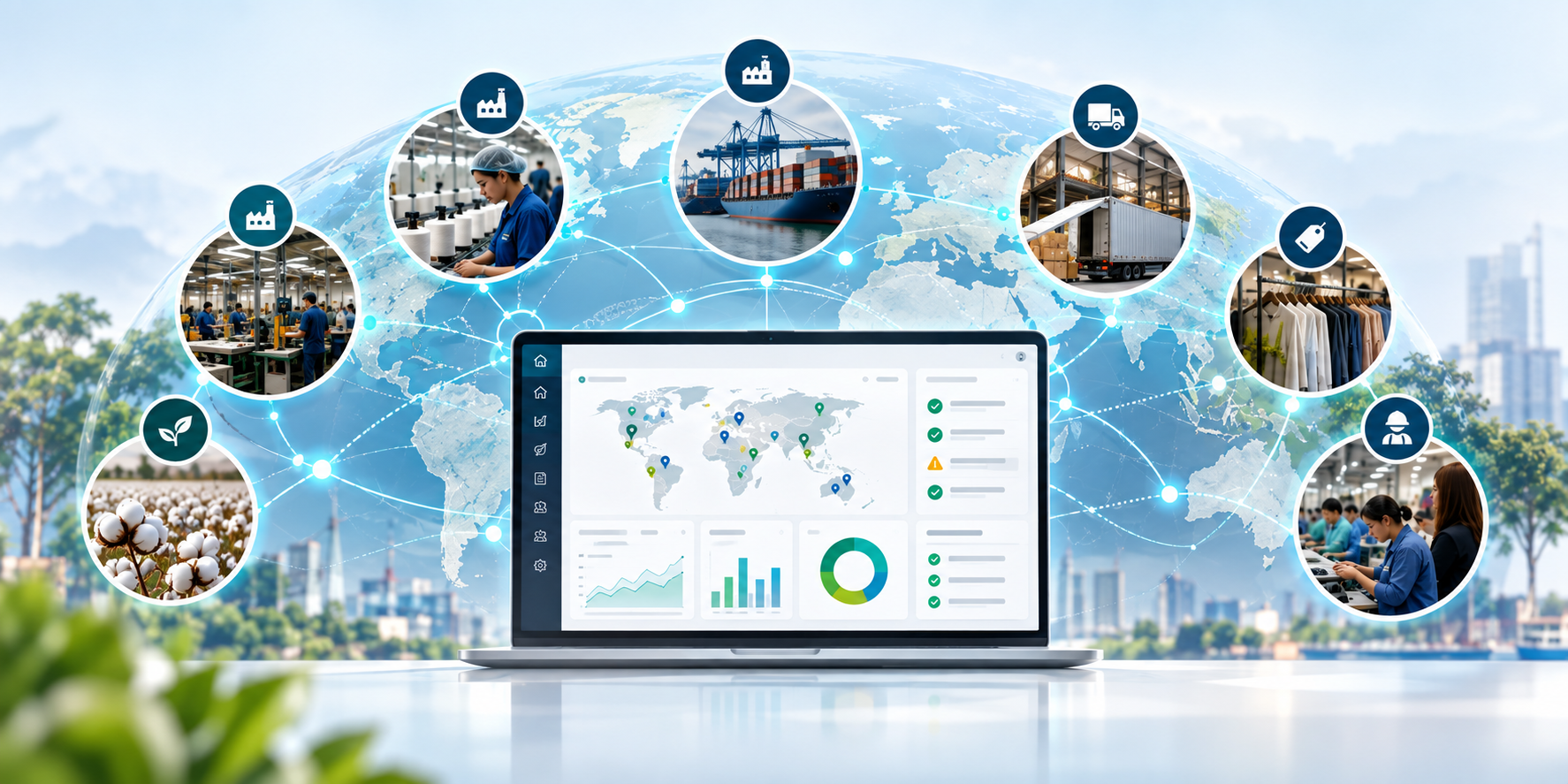
Circular supply chains generate valuable information at every stage. The challenge is that this information often sits across different organisations, records and systems.
CleanChain can provide a digital information layer that helps bring these records together.
Material Information – Material source, type, characteristics and volumes.
Batch Traceability – Material IDs, batch references, quantities and processing dates.
Testing & Evidence – Sample references, laboratory results, certificates and documentation.
Supplier Information – Relevant recycler, laboratory, manufacturer and supply chain records.
Chemical Management – Chemical inventory, SDS information and manufacturing chemical records.
Production Information – Data linking recycled material to subsequent manufacturing activities.
By connecting relevant records, CleanChain helps organisations build a more complete view of recycled materials and the information associated with their movement through the supply chain.
Strengthen circularity traceability by tracking relevant material and batch information across key stages of the circular supply chain.
Associate laboratory reports, certificates and other documentation with the material or batch they support.
Bring information from recyclers, laboratories, manufacturers and other partners into a more consistent workflow.
Connect circular material information with chemical inventory and manufacturing chemical management activities.
Improve collaboration and data visibility across waste collection, sorting, recycling, testing and manufacturing to strengthen material traceability and drive more effective circularity management.
The longer-term opportunity is to create a connected digital record that follows recycled materials across the circular supply chain.
Instead of material information, laboratory reports and manufacturing records remaining in separate systems, relevant data can be associated with material and batch references as they move through the process.
This can help organisations answer important questions:
CleanChain helps turn fragmented information into a more connected digital traceability workflow.
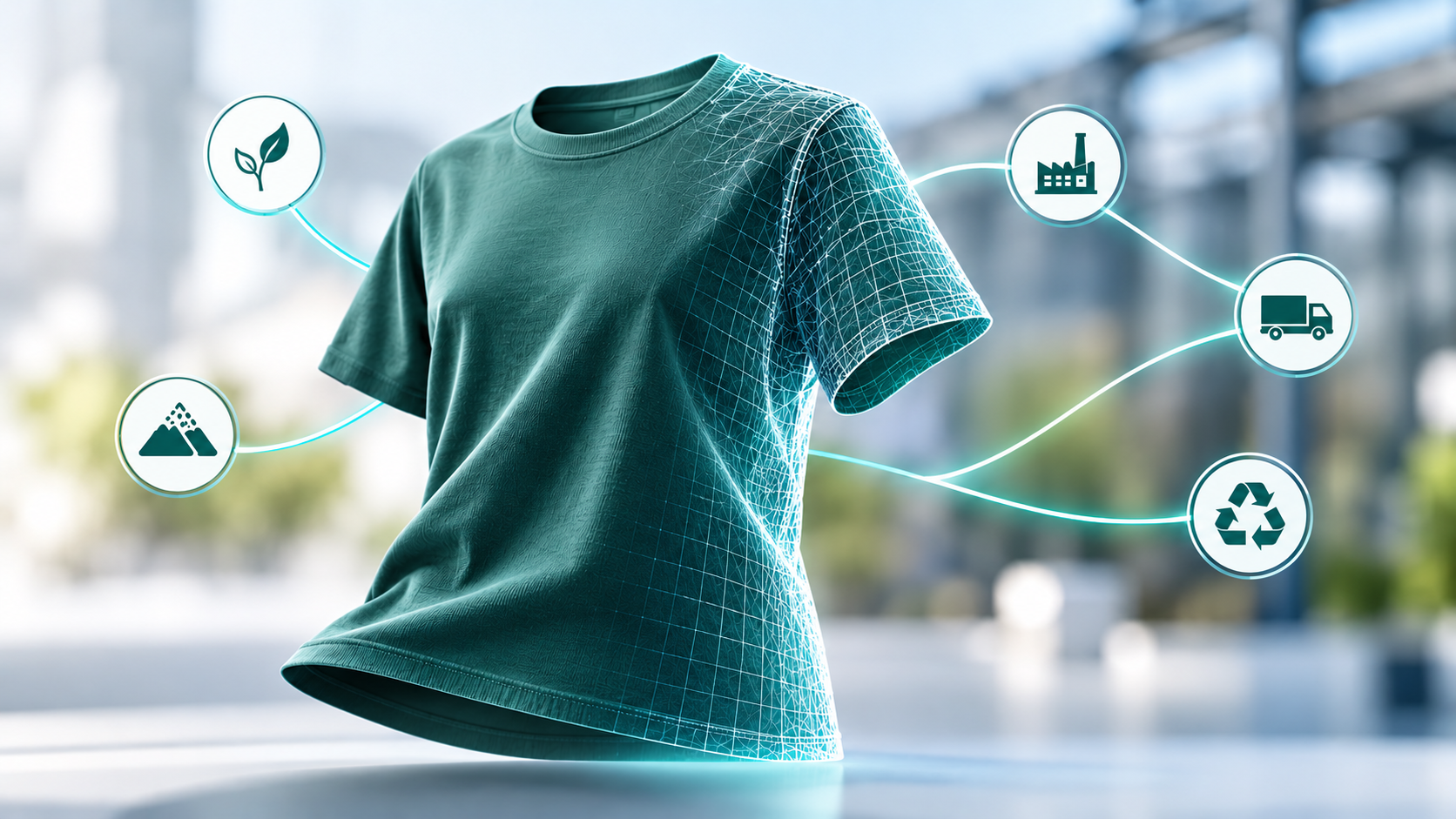

Traceability helps organisations connect recycled materials with their origins, processing records, laboratory testing evidence and manufacturing activities. This improves transparency, supports risk assessment and strengthens documentation across circular material workflows.
Recycled materials may contain restricted substances from previous use or processing. Appropriate laboratory testing helps identify potential chemical risks, assess results against applicable requirements and support informed material acceptance decisions.