How Digital Supply Chain Technology Improves Labour Rights Visibility
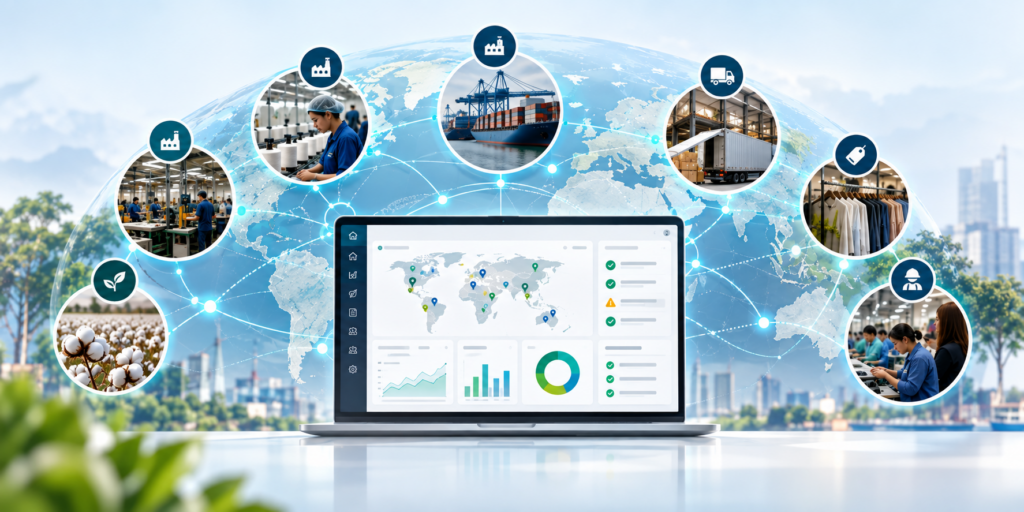
Discover how digital supply chain technology improves labour rights visibility, connects supplier data and supports responsible sourcing. Labour rights risks can exist across multiple tiers of global supply chains, where fragmented supplier data makes potential issues difficult to identify. Digital supply chain technology can help organisations connect supplier, facility and compliance information, improve visibility beyond […]
Labour Rights in Supply Chains: Why Visibility Matters

Labour rights in supply chains are becoming a priority. Explore the risks of forced and child labour, and why better data and visibility matter. Forced labour and child labour remain deeply embedded in global supply chains. As regulation tightens, companies are facing a new question: can they actually see where labour risks exist? The numbers […]
REACH Regulation: Understanding EU Chemical Compliance

REACH Regulation FAQ: Understanding EU Chemical Compliance What is REACH Regulation? REACH stands for Registration, Evaluation, Authorisation and Restriction of Chemicals. It is the European Union regulation designed to protect human health and the environment from the risks associated with chemicals. REACH Regulation applies to chemical substances used on their own, in mixtures and, in […]
AI-Powered Custom Supply Chain Technology
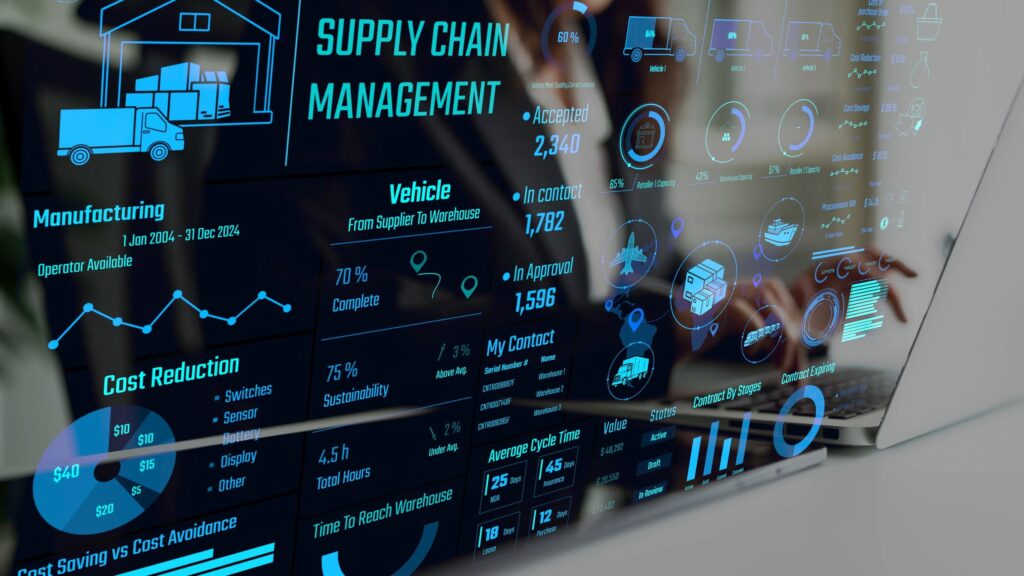
AI-powered custom supply chain technology designed to improve visibility, streamline compliance, and connect complex supplier networks. Supply chains are increasingly complex, spanning multiple suppliers, systems, compliance obligations, and vast streams of fragmented data. In this environment, standard software solutions often struggle to keep pace, introducing inefficiencies rather than resolving them. A growing shift toward customised, […]
The Hidden Cost of Disconnected Supply Chains
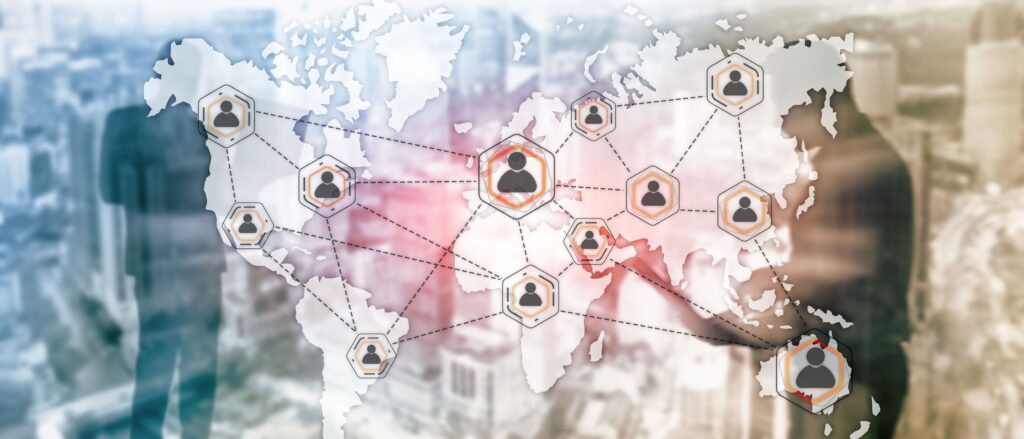
Disconnected supply chains do not break overnight. They erode performance gradually through inefficiency, lack of visibility, and operational friction. Most supply chains don’t fail because of a single major issue. They fail quietly, over time through fragmentation, misalignment, and a lack of visibility across systems, suppliers, and operations. On the surface, everything appears to be […]
Your Chemical Data Is Probably Incomplete: Why It’s Time to Rethink Chemical Management
Your chemical data is likely incomplete and that creates hidden compliance risk across your supply chain. In most organisations, chemical compliance feels under control on the surface. There are spreadsheets, supplier declarations, Safety Data Sheets (SDS), and internal tracking systems in place. But beneath that structure, a critical issue is often overlooked: Your chemical data […]
Why Sustainable Supply Chains Fail Without Connected Systems
Going green is no longer a choice, sustainable supply chains are the new standard. They are a business imperative, driven by regulatory pressure, brand accountability, investor scrutiny, and growing consumer expectations. Yet despite increased investment in sustainability programs, audits, and reporting tools, many supply chains continue to struggle to deliver meaningful, measurable impact. The problem […]
Do You Want to Eliminate Hazardous Chemicals from Your Supply Chain?

Chemical management now goes beyond compliance, as organisations face rising regulations and growing pressure to manage hazardous chemicals responsibly. The Evolution of Hazardous Chemicals Management Gone are the days when chemical management meant dusty binders and manual SDS tracking. Modern approaches embrace digital solutions, automated reporting, and predictive tools to identify risks before they become […]
Is Your Supply Chain Technology Holding You Back?
Supply chain technology has evolved from simple networks of suppliers and warehouses into strategic engines that drive efficiency and sustainable outcomes. Yet 61% of businesses report their supply chain technology is outdated or fragmented, creating blind spots and operational inefficiencies, according to a 2025 Gartner survey. Meanwhile, 72% of supply chain executives spend more time reconciling data […]
The Central Role of Workers’ Rights in Apparel
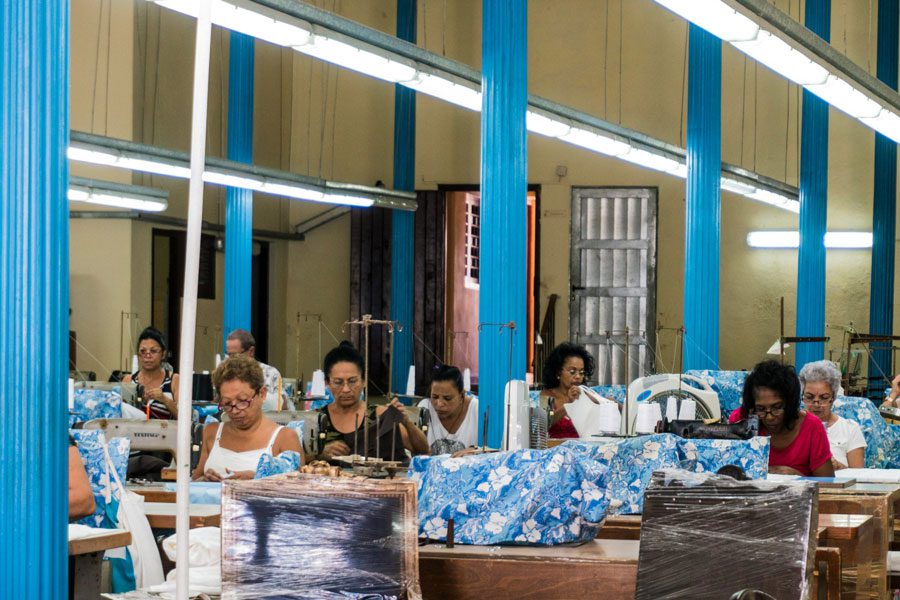
The CleanChain platform offers functionalities designed to streamline assessment processes, enhance supply chain management and promote workers’ rights. In the fashion industry, workers’ rights are a critical measure of a brand’s commitment to ethical practices. Brands are increasingly evaluated on their policies and practices related to child labour, living wages, and gender equality. However, despite […]