Sustainability consulting has moved firmly into the centre of business strategy.
What was once a reporting function is now a core driver of risk management, competitiveness, and long-term resilience. But as expectations rise, a clear gap is emerging between sustainability strategy and sustainability execution.
Increasingly, organisations are finding that defining ESG ambitions is no longer the challenge. The real difficulty lies in implementing those ambitions across complex, global supply chains and ensuring they deliver measurable outcomes in practice.
The limits of advisory-only consulting
For years, sustainability consulting focused on frameworks, roadmaps, and strategic alignment with global standards such as CSRD, TCFD, and the SDGs. This remains essential work.
However, the operating environment has changed. Regulatory pressure is intensifying, stakeholder scrutiny is increasing, and sustainability commitments are being measured against tangible results rather than intent.
As a result, organisations are no longer looking solely for guidance. They are seeking partners who can help them translate strategy into operational reality.
This shift is redefining expectations of sustainability consulting.
From planning to implementation
Sustainability consulting is increasingly about execution. This includes:
- Embedding ESG requirements into procurement and supply chain processes
- Supporting supplier engagement and data collection at scale
- Enabling emissions tracking and decarbonisation programmes
- Strengthening compliance reporting and audit readiness
- Building systems that support ongoing performance improvement
In other words, sustainability is no longer a standalone strategy exercise. It is an operational discipline that must be integrated across business functions.
Yet many organisations still rely on fragmented systems, manual reporting processes, and disconnected supplier data. This creates delays, inefficiencies, and gaps in visibility, particularly across multi-tier supply chains.
The growing execution gap
The challenge is not a lack of ambition, it is a lack of infrastructure to support execution.
Sustainability teams are often working with:
- Spreadsheets instead of centralised systems
- Email-based supplier communication
- Inconsistent data formats across regions and suppliers
- Manual consolidation of compliance information
This makes it difficult to scale programmes, maintain data integrity, or respond quickly to regulatory change.
As sustainability programmes expand, these limitations become more pronounced. What works at a pilot stage becomes unmanageable at scale.
A shift in expectations from sustainability consulting partners
This is driving a fundamental shift in what organisations expect from sustainability consultants and multi-stakeholder initiatives.
It is no longer enough to deliver recommendations and exit the engagement. Increasingly, organisations expect:
- Ongoing implementation support
- Digital enablement of sustainability programmes
- Tools that improve data collection and transparency
- Systems that scale across suppliers and stakeholders
- Support in turning ESG goals into measurable outcomes
Sustainability consulting is becoming more operational, more data-driven, and more closely tied to execution.
The role of digital infrastructure
To close the gap between strategy and execution, organisations need more than advice. They need connected systems that enable collaboration, standardisation, and visibility across supply chains.
This is where digital infrastructure becomes critical.
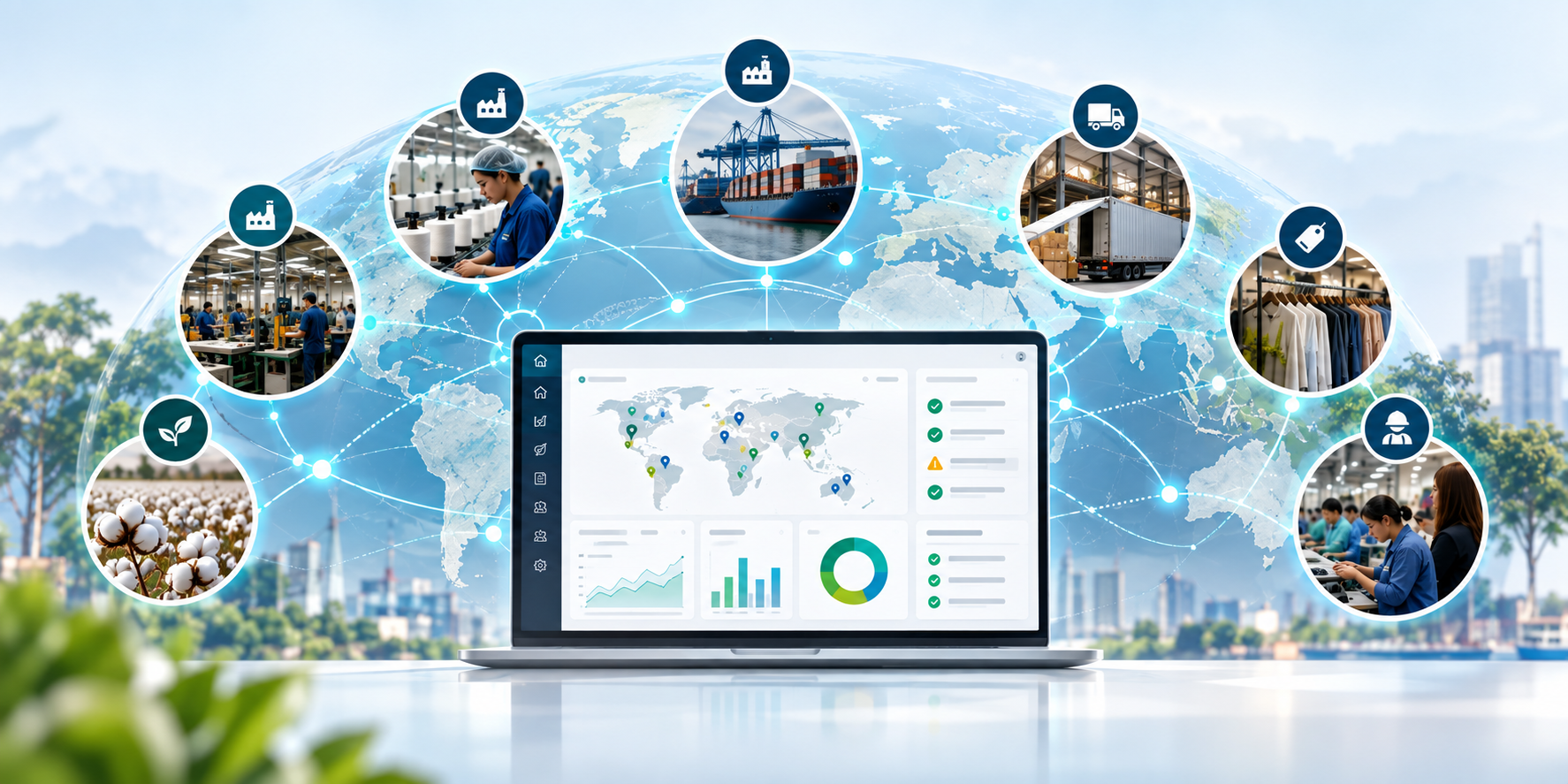
Platforms that centralise supplier data, automate workflows, and standardise reporting allow sustainability programmes to move beyond manual effort and fragmented systems. They create the foundation for scalable execution.
Just as importantly, they improve data quality and structure making it possible to analyse performance, track progress, and respond to risk in real time.
Enabling execution at scale with CleanChain
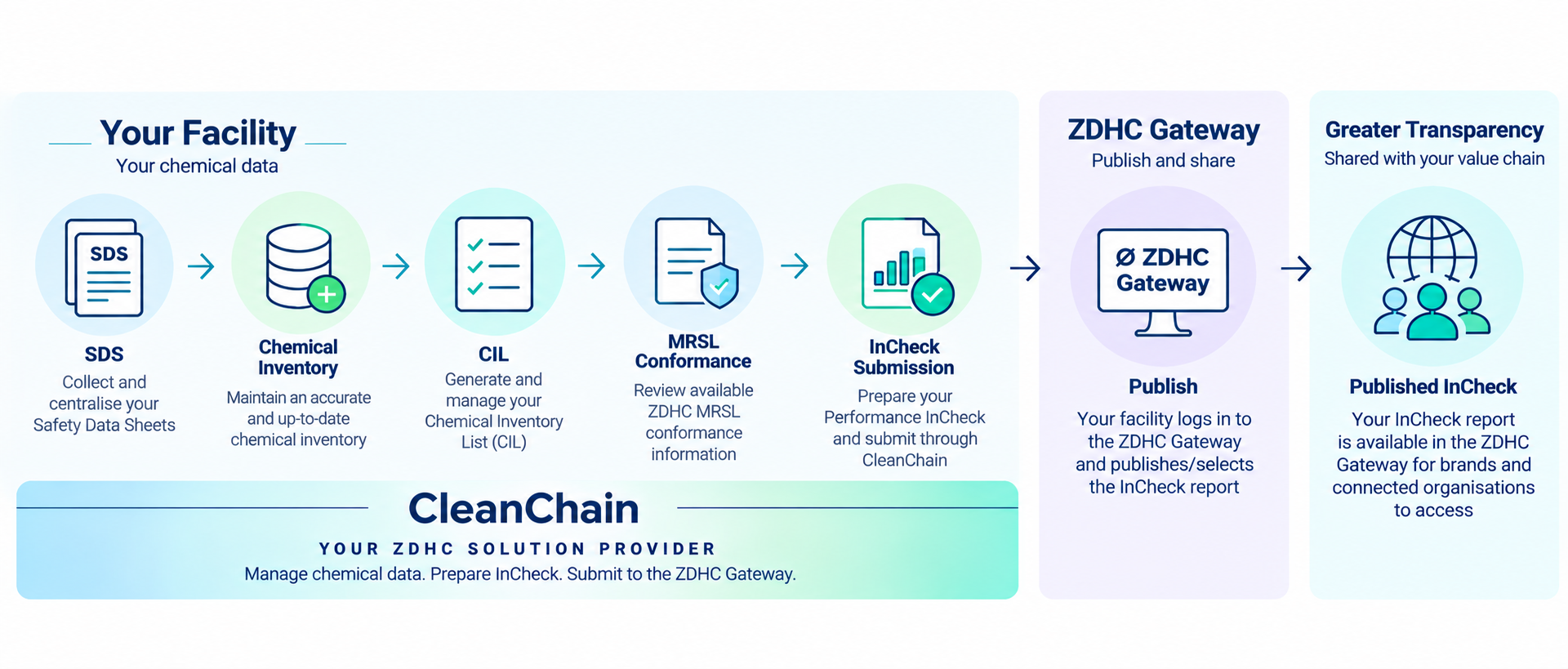
CleanChain supports this shift from strategy to execution by providing a connected digital platform for sustainability and compliance management.
It enables organisations to:
- Centralise supplier and compliance data in one system
- Automate reporting and workflow processes
- Improve transparency across complex supply chains
- Reduce manual effort in data collection and validation
- Support scalable sustainability programme delivery
By turning fragmented information into structured, usable data, CleanChain helps organisations operationalise sustainability goals more effectively across their ecosystems.
From intention to impact
Sustainability is no longer defined by strategy alone. It is defined by execution, consistency, and measurable impact across the value chain.
As the expectations placed on organisations continue to grow, the ability to operationalise sustainability programmes at scale will become a key differentiator.
The future of sustainability consulting lies not only in defining what needs to be done, but in enabling it to be done.
For more contact us cleanchaininfo@adec-innovations.com