
Discover why ZDHC Brands must move beyond Tier 1 suppliers to achieve full supply chain visibility.
Global supply chains are under increasing pressure to deliver not only operational efficiency, but also full transparency, chemical compliance, environmental accountability, and measurable sustainability performance. For many organisations, visibility still stops at Tier 1 suppliers creating significant blind spots across chemical management, wastewater compliance, supplier performance, and ESG reporting.
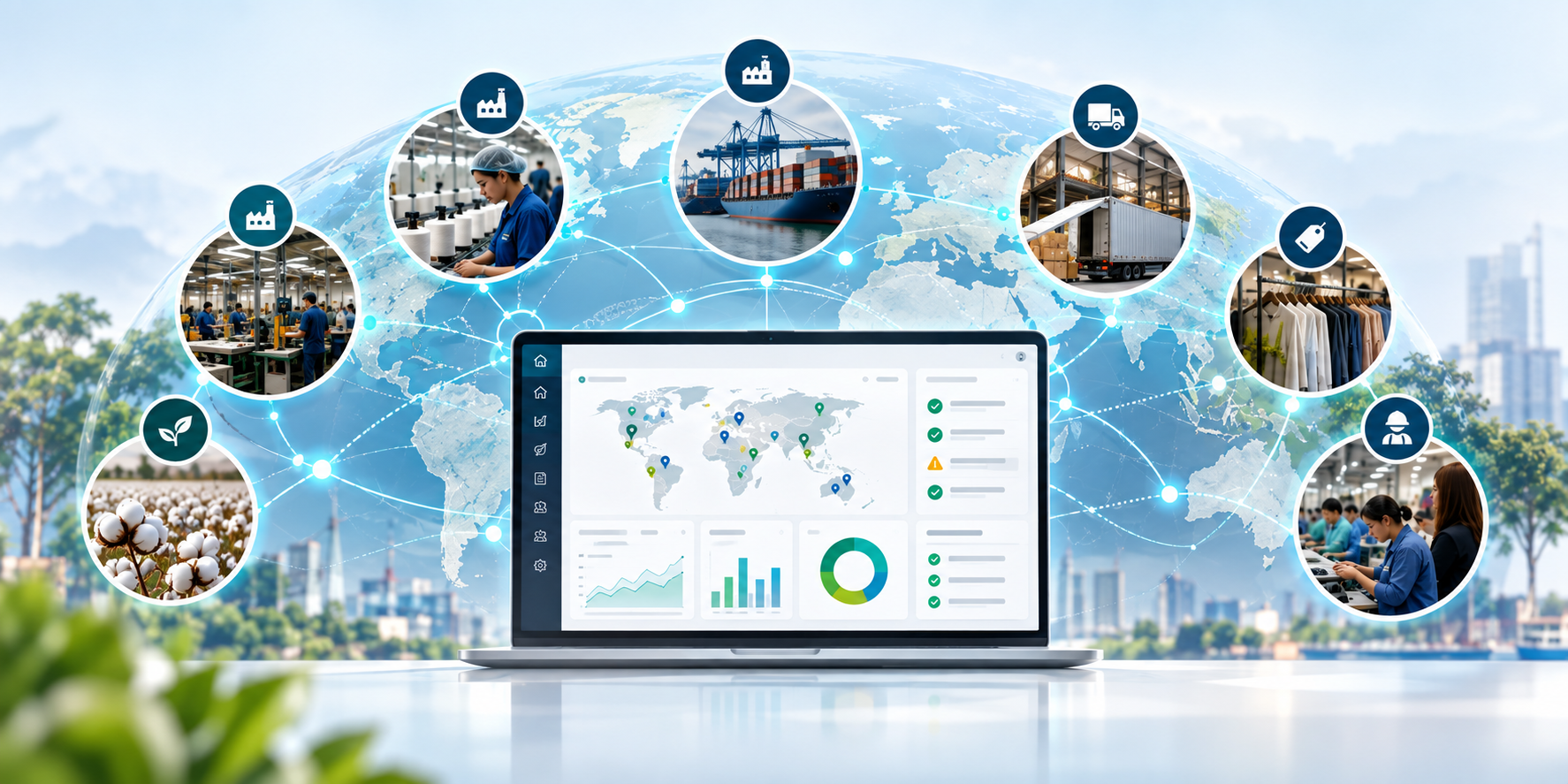
The industry is moving rapidly toward deeper supply chain transparency, requiring Brands to understand not only who they buy from directly, but also the suppliers, facilities, chemical formulators, mills, laundries, printers, and raw material processors operating further upstream. This shift is fundamentally changing how Brands manage compliance, supplier engagement, and sustainability performance across global value chains.
Why Tier 1 Visibility Is No Longer Enough for ZDHC Brands
Traditional supplier management models were designed around direct supplier relationships. Brands focused on factory audits, product quality, and periodic compliance checks at Tier 1 manufacturing facilities.
However, the most significant risks often exist deeper within the supply chain.
Restricted substances, wastewater pollution, unsafe chemical formulations, environmental violations, and incomplete Safety Data Sheet documentation frequently originate beyond direct suppliers. Without upstream visibility, Brands may unknowingly source products connected to non-conformant chemistry or suppliers operating outside accepted environmental standards.
For ZDHC Brands, this creates substantial exposure across:
- ZDHC MRSL conformance
- Wastewater compliance
- Chemical inventory management
- Supplier to Zero implementation
- ESG disclosure requirements
- Product safety
- Brand reputation
- Regulatory compliance
The Growing Importance of Multi-Tier Supply Chain Transparency
Supply chain transparency is not simply a sustainability initiative. It has become a core operational requirement.
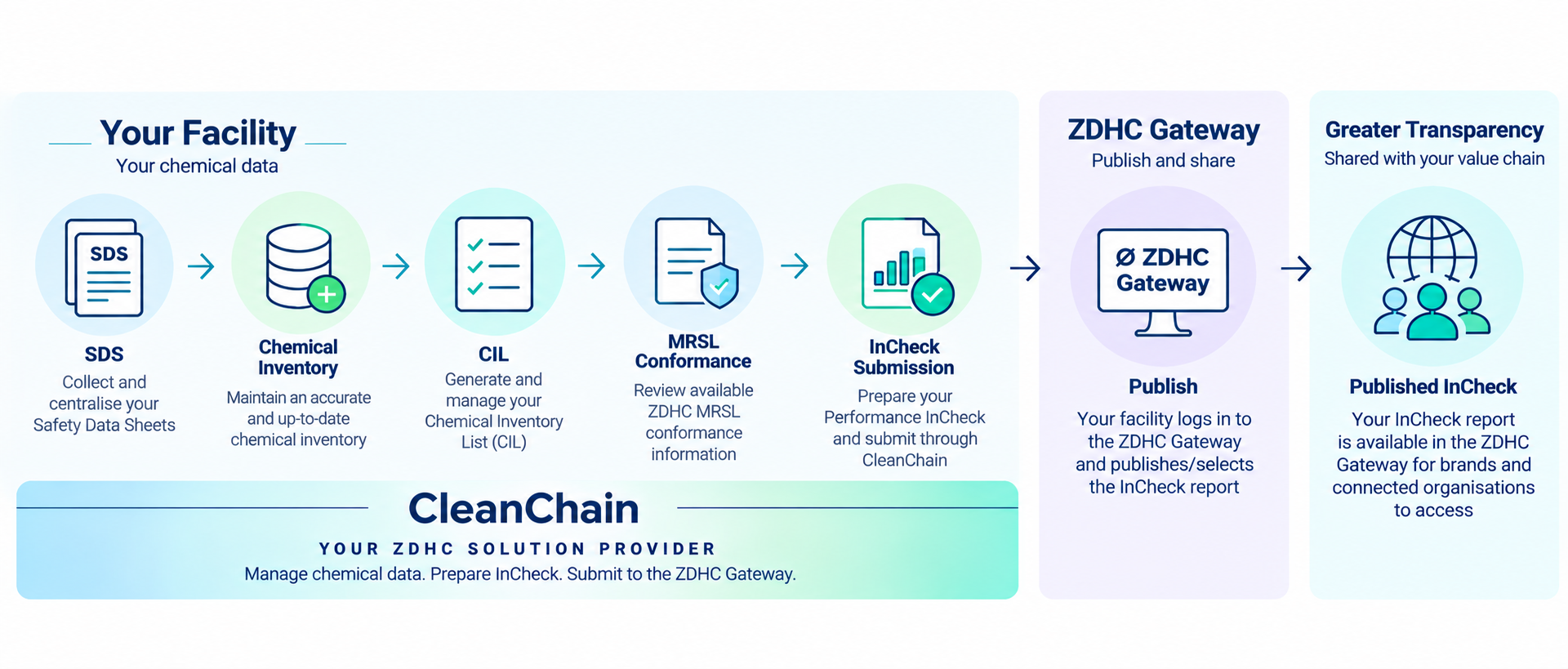
ZDHC programmes increasingly support greater transparency and supplier collaboration across the value chain. The ZDHC Gateway enables Brands, Vendors, and Suppliers to share chemical management data, performance metrics, and conformance information more efficiently across supplier networks.
This means Brands are increasingly expected to:
- Identify supplier relationships beyond Tier 1
- Understand upstream chemical usage
- Monitor wastewater testing performance
- Track supplier conformance status
- Validate chemical inventories
- Improve supplier accountability
- Strengthen traceability across manufacturing processes
The ability to map supplier networks across multiple tiers is rapidly becoming essential for risk management and regulatory preparedness.
What This Means for ZDHC Brands
1. Chemical Management Must Extend Beyond Direct Suppliers
Many Brands have already implemented ZDHC MRSL programmes with direct manufacturing partners. However, upstream chemical risks often remain disconnected from Brand visibility.
Chemical formulators, dye houses, printers, and subcontractors may still use restricted substances or operate with limited documentation controls.
This means Brands need:
- Centralised SDS management
- Digital chemical inventory visibility
- Upstream chemical traceability
- Real-time supplier reporting
- Automated MRSL verification
- Integrated chemical compliance systems
Without these capabilities, managing chemical compliance manually across global supply chains becomes increasingly difficult and resource-intensive.
2. Supplier Engagement Must Become More Collaborative
The future of ZDHC implementation depends heavily on supplier participation and transparency.
ZDHC Gateway transparency levels already encourage deeper Brand-to-supplier collaboration and information sharing. Vendors and Suppliers are expected to provide increasingly detailed environmental and chemical management data to support Brand visibility and performance monitoring. (knowledge-base.roadmaptozero.com)
For Brands, this means:
- Manual spreadsheets are no longer scalable
- Supplier engagement must become digitised
- Data collection must be standardised
- Continuous supplier monitoring is required
- Supplier performance needs ongoing visibility
Brands that cannot digitally engage suppliers across multiple tiers will struggle to maintain accurate reporting and compliance oversight.

3. Wastewater and Environmental Performance Require Greater Oversight
Wastewater management remains one of the most important pillars of ZDHC Brands implementation.
However, wastewater risks often exist at processing facilities operating beyond direct supplier relationships. Dyeing, washing, printing, tanning, and finishing facilities can significantly impact environmental compliance and sustainability performance.
Without upstream visibility, Brands may face:
- Incomplete wastewater reporting
- Undetected non-conformance
- Environmental compliance failures
- Delayed corrective actions
- Increased reputational risk
Digital environmental monitoring and centralised reporting systems are becoming essential to improving oversight across supplier networks.
4. ESG Reporting Requires Verifiable Upstream Data
Global ESG regulations and stakeholder expectations continue to evolve rapidly.
Investors, retailers, regulators, and consumers increasingly expect Brands to provide verifiable data across:
- Scope 3 emissions
- Chemical safety
- Water usage
- Waste management
- Responsible sourcing
- Environmental impact
- Supply chain due diligence
Without visibility beyond Tier 1 suppliers, ESG reporting becomes fragmented and difficult to validate.
For ZDHC Brands, stronger supplier transparency directly supports more credible sustainability reporting and improves readiness for emerging regulations linked to environmental due diligence and supply chain disclosure.
How Digital Platforms Support ZDHC Goals
Modern supply chain technology platforms are essential for enabling Brands to operationalise ZDHC implementation at scale. The complexity of global supplier networks, combined with rising regulatory and sustainability expectations, makes manual processes and fragmented systems no longer viable.
A purpose-built digital platform such as CleanChain enables Brands to centralise, automate, and scale ZDHC-aligned chemical and supply chain management across all supplier tiers.
This platform supports:
- Supplier onboarding and engagement at scale
- Centralised SDS management and document control
- Chemical inventory tracking across multiple facilities
- ZDHC reporting integration and data consolidation
- Wastewater performance monitoring and visibility
- Supplier risk assessments and segmentation
- Automated compliance workflows and alerts
- End-to-end supply chain mapping and traceability
By leveraging CleanChain as a unified digital platform, Brands reduce administrative burden while significantly improving transparency, traceability, and reporting accuracy across their supplier ecosystem.
Supplier to Zero Is Becoming More Strategic
The Supplier to Zero programme is evolving into a critical mechanism for driving supplier transparency, maturity, and continuous improvement across the value chain. This enables Brands to benchmark supplier performance, identify gaps, prioritise corrective actions, and strengthen environmental performance management across complex supply networks.
For Brands, Supplier to Zero is no longer simply a certification pathway.
It is becoming a strategic framework for:
- Supplier benchmarking and maturity tracking
- Risk prioritisation across supplier tiers
- Continuous improvement programmes
- Sustainability performance measurement
- Supplier accountability and governance
- ESG alignment and reporting credibility
CleanChain strengthens this approach by enabling Brands to digitally track supplier performance data, align it with ZDHC requirements, and maintain continuous visibility rather than relying on periodic, static assessments.
As supply chains become more complex and environmental expectations continue to intensify, Brands require deeper, continuous insight into upstream suppliers, chemical usage, wastewater performance, and environmental risk exposure.
The organisations that lead will be those that move beyond fragmented spreadsheets and disconnected audits toward integrated digital platforms like CleanChain that enable scalable, collaborative, and data-driven supply chain management.
The future of chemical compliance and sustainable manufacturing depends on complete supply chain transparency and that visibility must extend far beyond Tier 1 suppliers.
Contact CleanChain cleanchaininfo@adec-innovations.com