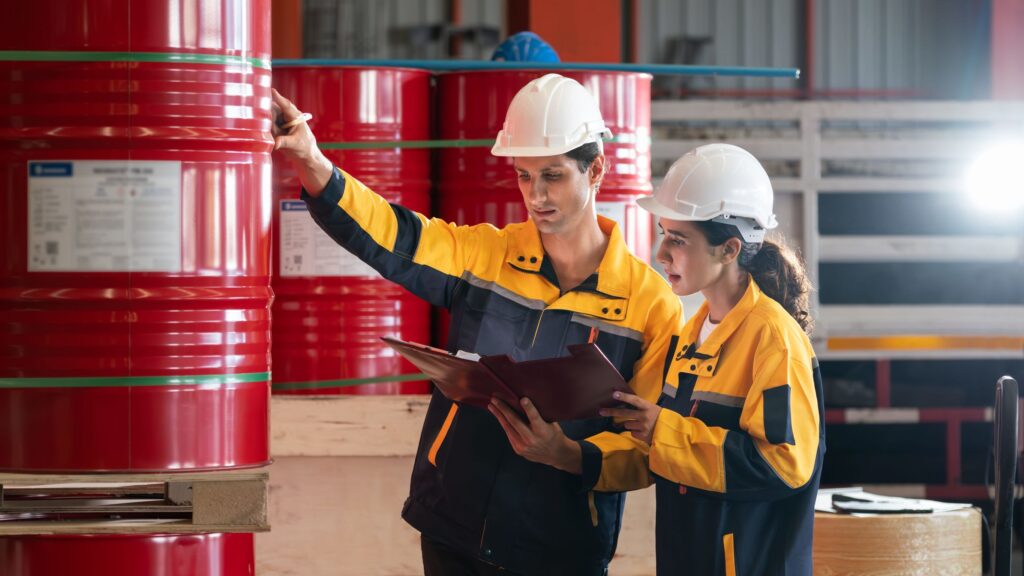
Chemical compliance in manufacturing has become a critical part of operations rather than a background administrative task.
Whether producing automotive parts, textiles, electronics, or industrial goods, manufacturers must now carefully manage how chemicals are sourced, used, stored, and reported.
Chemical compliance in manufacturing directly impacts production continuity, worker safety, brand reputation, and global market access. As regulations tighten and supply chains expand, manufacturers face growing pressure to improve how they manage chemical data across every stage of production.
Why Chemical Compliance Is Critical in Manufacturing
Manufacturing is one of the most chemical-intensive industries in the world. From cleaning agents and coatings to adhesives and dyes, chemicals are embedded in nearly every production process.
Even a small compliance failure can lead to costly recalls, fines, or halted shipments. That’s why chemical compliance is now a board-level concern in many manufacturing organisations.
Key Drivers Increasing Chemical Compliance Complexity
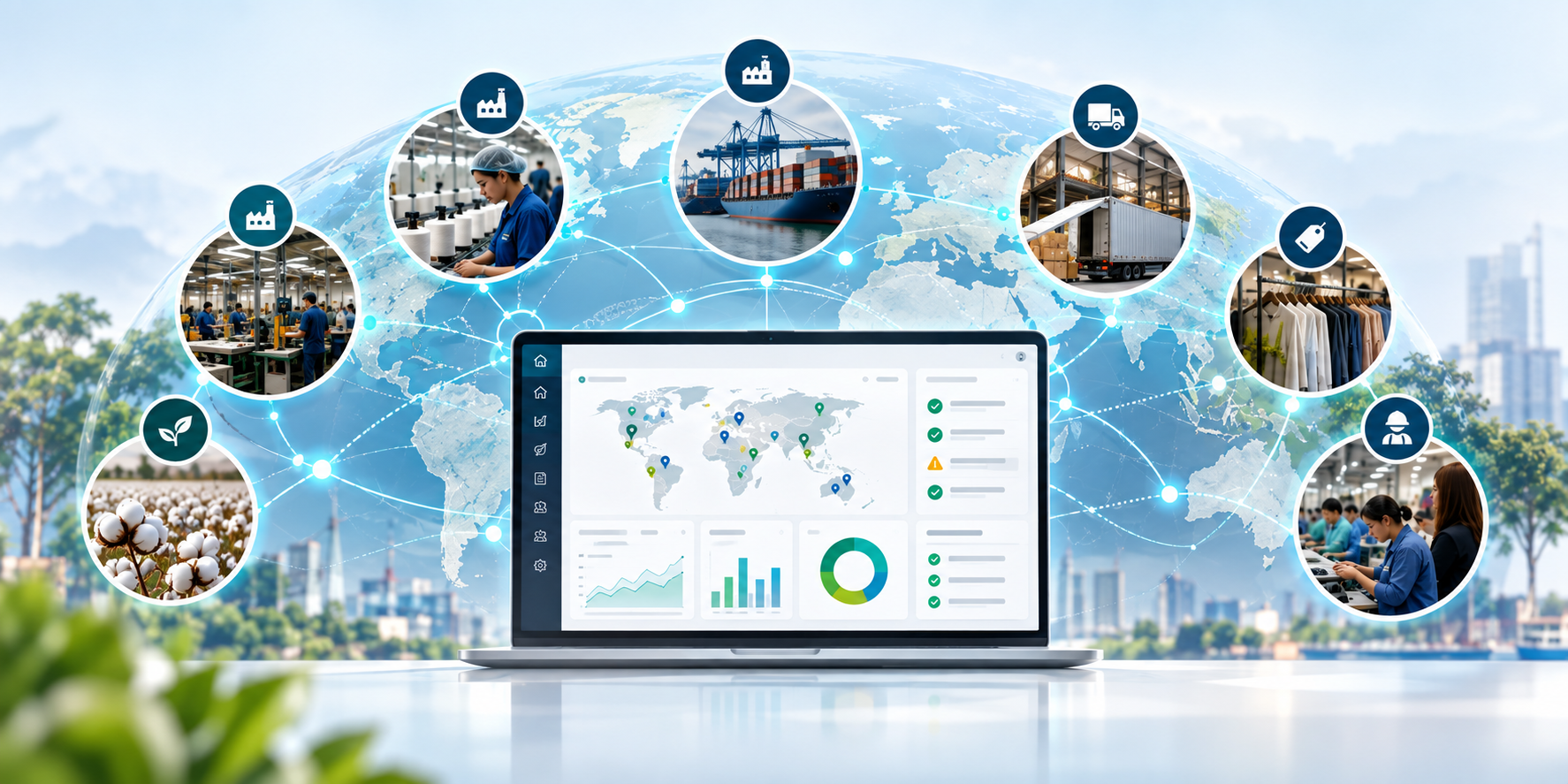
Global Supply Chain Dependencies
Manufacturers rarely source materials from a single location. Instead, raw materials and components come from multiple countries. Each supplier may follow different chemical regulations, making chemical compliance harder to control and verify.
Stricter Environmental Regulations
Regulatory bodies are tightening restrictions on hazardous substances. Frameworks such as REACH in Europe and TSCA in the United States require detailed tracking of chemical use. Manufacturers must now prove chemical compliance at every stage of production.
Rising Demand for Transparency
Customers and OEMs increasingly demand full visibility into chemical usage. This means manufacturers must provide accurate, real-time data not just periodic reports. Chemical compliance is now closely tied to sustainability reporting and ESG performance.
The Role of Digitalisation in Chemical Compliance
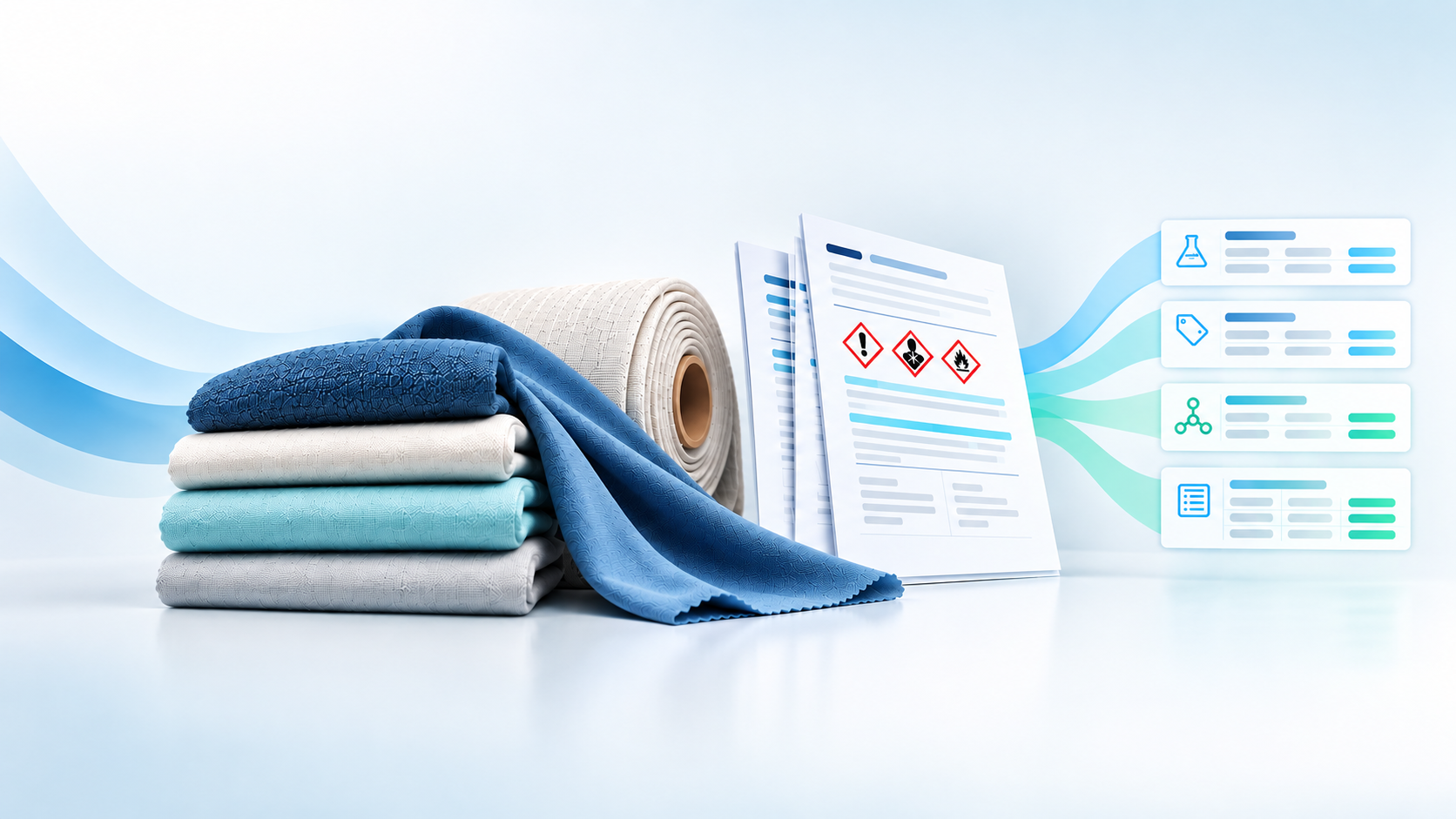
Digital transformation is reshaping how manufacturers manage chemical compliance. Manual systems like spreadsheets and paper-based Safety Data Sheets (SDS) are no longer sufficient.
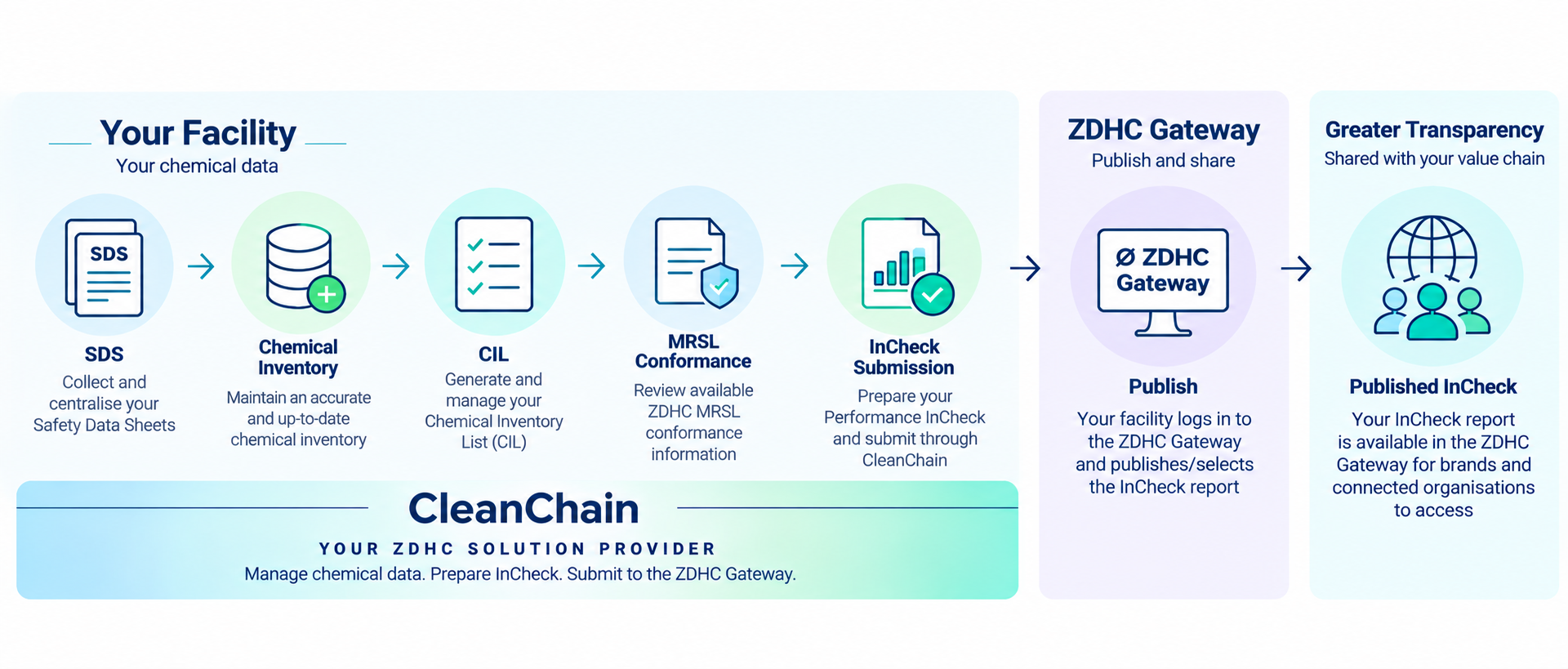
Modern chemical compliance platforms allow manufacturers to:
- Centralise chemical inventories across sites
- Automate SDS management and reporting
- Track restricted substances in real time
- Standardise supplier data inputs
- Reduce human error in compliance reporting
This shift to digital systems improves accuracy and efficiency while reducing the administrative burden on compliance teams.
Predictive analytics is also becoming increasingly important. These tools help manufacturers identify potential chemical compliance risks before they escalate into operational issues.
Practical Strategies for Manufacturing Chemical Compliance
Standardise Chemical Data Across All Sites
Consistency is key. Manufacturers should ensure that all facilities and suppliers follow the same chemical compliance reporting structure. This reduces confusion and improves data accuracy.
Strengthen Supplier Engagement
Suppliers are a critical part of chemical compliance. Regular communication, training, and audits help ensure that supplier data meets required standards.
Implement Centralised Compliance Systems
A unified platform improves visibility across the entire supply chain. It allows manufacturers to track chemicals from procurement to final product.
Monitor Compliance Continuously
Chemical compliance is not a one-time process. Continuous monitoring helps manufacturers quickly identify and resolve issues before they impact production.
Invest in Employee Training
Operators, engineers, and procurement teams all play a role in chemical compliance. Regular training ensures everyone understands their responsibilities.
Stay Ahead of Regulatory Changes
Manufacturers must actively track global regulatory updates. Falling behind can result in non-compliance, fines, or loss of market access.
The Future of Chemical Compliance in Manufacturing
The future of chemical compliance in manufacturing is increasingly digital, automated, and data-driven.
Sustainability will also continue to drive change. Manufacturers will be expected not only to comply with regulations but also to reduce their overall chemical footprint.
In this evolving landscape, chemical compliance will become a competitive advantage. Manufacturers that invest in strong systems today will be better positioned for global growth tomorrow.
FAQs on Chemical Compliance in Manufacturing
What is chemical compliance in manufacturing?
It refers to ensuring that all chemicals used in manufacturing processes meet legal, safety, and environmental regulations.
Why is chemical compliance important for manufacturers?
It ensures product safety, regulatory approval, operational continuity, and market access.
What challenges do manufacturers face with chemical compliance?
Common challenges include complex supply chains, changing regulations, and lack of data transparency.
How does technology help chemical compliance?
Technology automates tracking, reporting, and monitoring, reducing errors and improving efficiency.
What industries are most affected by chemical compliance?
Industries like automotive, textiles, electronics, and industrial manufacturing are highly impacted.
Can chemical compliance improve sustainability?
Yes, better chemical management reduces hazardous waste and supports environmental goals.
Chemical compliance is no longer a background task, it is a core operational requirement. With increasing global regulations, complex supply chains, and rising transparency expectations, the pressure is only growing.
However, manufacturers that embrace digital systems, strengthen supplier collaboration, and invest in proactive monitoring can turn chemical compliance into a strategic advantage.
Those who adapt early will not only stay compliant but also lead in efficiency, safety, and sustainability.
Get in contact cleanchaininfo@adec-innovations.com