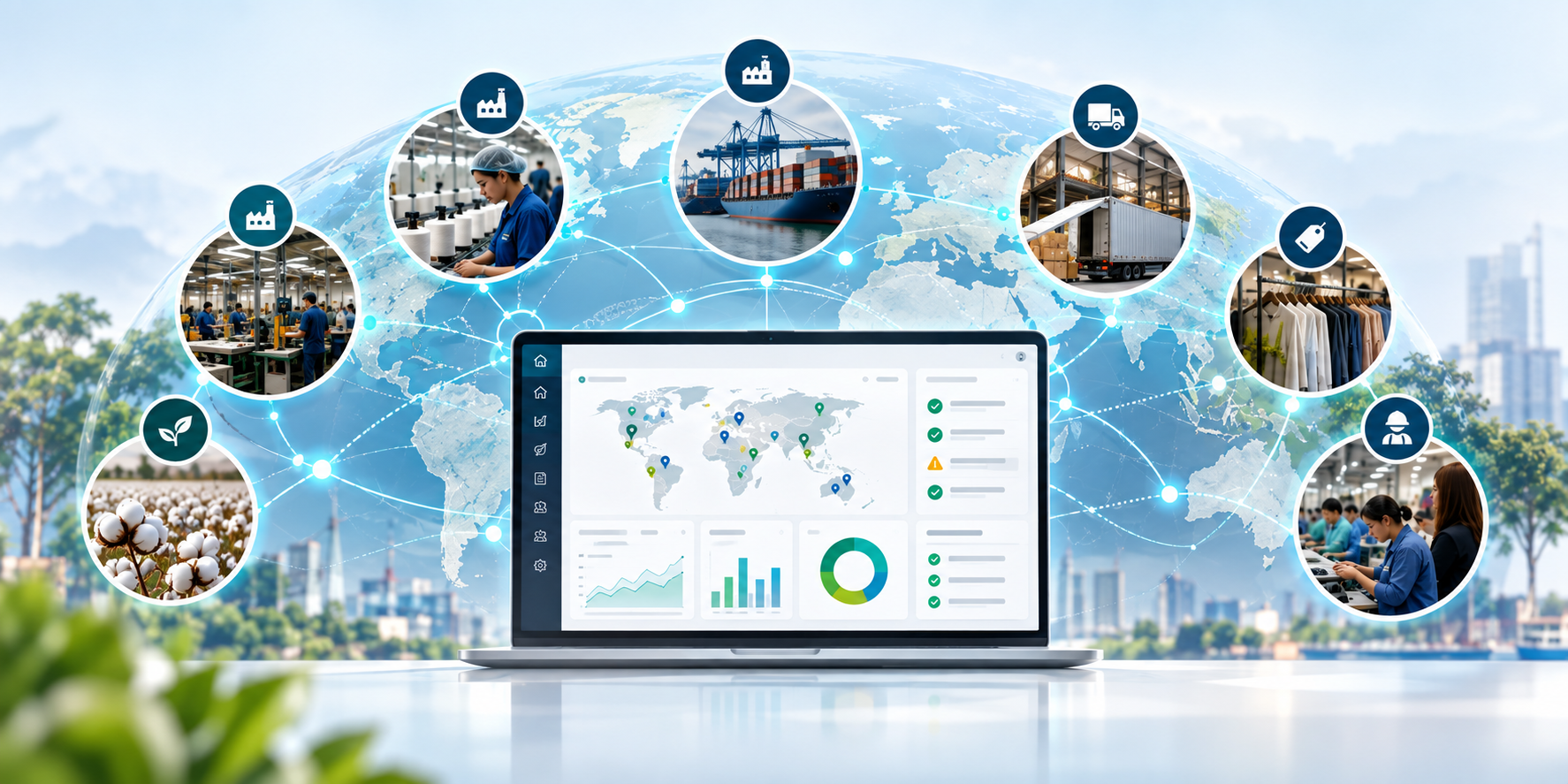

Discover how food service sustainability software helps restaurants and operators track carbon emissions, food waste and water usage.
Food Service Sustainability Software: Turn Environmental Goals Into Measurable Action
Food service sustainability software has become an increasingly important consideration across the UK. From reducing food waste and carbon emissions to improving energy and water efficiency, restaurants, contract caterers and other food service organisations are setting ambitious environmental targets.
But setting a target is only the beginning.
The bigger challenge is understanding what is happening across day-to-day operations and having reliable data to demonstrate whether sustainability initiatives are actually delivering results.
For organisations operating across multiple kitchens, facilities or locations, this can become particularly complex. Food purchasing, kitchen equipment, waste, water consumption and operational activity all contribute to environmental performance.
Creating a more sustainable food service operation therefore starts with one fundamental capability: measurement.
Why Data Matters in Food Service Sustainability Software
Food service organisations generate environmental data across many different areas of their operations.
Food and ingredient choices influence carbon and water footprints. Kitchen equipment consumes energy. Food preparation and customer demand affect waste volumes. Changes in guest numbers can significantly influence monthly performance.
Looking at any one of these areas independently provides only part of the picture.
A more effective approach is to bring operational and environmental information together so sustainability teams can understand not only what their environmental impact is, but what is driving it.
This makes it possible to establish meaningful baselines, compare performance between locations and identify where interventions can have the greatest impact.
Measure Carbon Emissions with Food Service Sustainability Software
Carbon measurement in food service extends beyond electricity consumption.
The ingredients purchased, equipment used and waste generated can all contribute to an organisation’s overall environmental footprint.
By connecting inventory and operational information with relevant emissions data, organisations can build a clearer picture of carbon performance and identify high-impact areas.
For example, analysis may reveal particular food categories contributing disproportionately to emissions or equipment consuming significantly more energy than comparable alternatives.
Instead of applying broad reduction initiatives across an organisation, teams can use this information to prioritise actions where they are likely to make the greatest difference.
Turn Food Waste Data Into Action
Waste remains one of the most visible sustainability challenges facing the food service industry.
Simply recording total waste, however, does not necessarily tell an organisation how to reduce it.
Operators need to understand how much waste is being generated, where it occurs and what happens to it afterwards.
Tracking metrics such as total waste generated, waste diverted and waste sent to landfill creates a stronger foundation for improvement.
When waste data is analysed alongside operational information such as guest numbers and purchasing patterns, organisations can begin identifying trends and investigating their underlying causes.
This can support better forecasting, menu planning, procurement and waste-reduction initiatives.
Understand the Water Footprint of Food Service
Water consumption can be less visible than energy use or food waste, but it remains an important part of environmental performance.
Water impacts can occur directly within kitchens and facilities as well as indirectly through the food and ingredients organisations purchase.
Connecting water data with food, equipment and facility information provides organisations with a more complete understanding of their water footprint.
Teams can then compare facilities, identify areas of unusually high consumption and prioritise opportunities to improve water efficiency.
Don’t Overlook Kitchen Equipment
Kitchen equipment represents another important piece of the sustainability picture.
Ovens, refrigerators, freezers, dishwashers and other equipment can operate for many hours each month. Older or inefficient assets may therefore contribute significantly to energy consumption and associated emissions.
Recording equipment information together with monthly usage hours allows organisations to understand which assets are having the greatest operational impact.
This can support decisions around equipment utilisation, maintenance, replacement and investment in more efficient technology.
Put Performance Into Context
One of the challenges with environmental reporting is that absolute numbers do not always tell the whole story.
A restaurant serving 20,000 guests will naturally have different resource requirements from a location serving 5,000.
Operational context therefore matters. Metrics such as guest numbers and days of operation can be combined with carbon, waste and water data to calculate performance on a more meaningful basis, such as environmental impact per guest.
This allows organisations to make more useful comparisons between sites and reporting periods, even when operating conditions differ.
A Digital Environmental Management System (DEMS) provides a more structured approach.
By centralising environmental and operational information, organisations can automate calculations and monitor performance through consistent dashboards rather than relying on fragmented reporting processes.
For multi-site food service organisations, a scalable sustainability platform can provide visibility from organisation-wide performance down to individual facilities.
Turning Environmental Data Into Action with Food Service Sustainability Software
The ultimate objective isn’t simply to collect more sustainability data. It’s to make better decisions.
FoodChain brings together food service operational data to help organisations measure and manage carbon emissions, waste and water usage across their operations.
Dynamic dashboards allow teams to examine overall performance and drill deeper into individual areas, including carbon, waste and water.
This visibility can help organisations identify high-emission food items, understand equipment-related energy impacts, monitor waste performance and identify opportunities to reduce water consumption.
Instead of waiting for annual sustainability reporting exercises, teams can use environmental data to support ongoing operational improvement.
Building a More Sustainable Food Service Operation with Food Service Sustainability Software
The transition toward more sustainable food service will require changes across procurement, menus, kitchens, equipment and waste management.
Reliable data connects all of these areas. Organisations that can consistently measure environmental performance are better positioned to understand where their biggest impacts occur, prioritise improvement initiatives and demonstrate progress against sustainability targets.
The question for food service operators is therefore moving beyond “What are our sustainability goals?”
It is becoming:
“Do we have the data to know whether we’re achieving them?”
FoodChain provides food service sustainability software, to turn environmental data into measurable action across food service operations. contact foodchain@adec-innovations.com