SDS Data – How structured SDS and chemical data accelerates compliance, reporting, and safer substitution
In every industry that relies on chemicals: textiles, manufacturing, consumer goods, healthcare, Safety Data Sheets (SDS) serve as the backbone of chemical compliance. They contain essential information about hazards, ingredients, handling requirements, and regulatory obligations.
But there’s a catch: SDSs were never designed for modern sustainability needs.
Most organisations still manage SDS files as static PDFs scattered across systems, teams, and suppliers. This fragmented approach makes it nearly impossible to extract insights at scale or understand the true chemical footprint of a global supply chain.
Digitising SDS data changes everything
When SDS information is transformed from inconsistent PDFs into searchable, structured, and standardised data, organisations gain a level of visibility that simply isn’t possible with manual processes.
Here’s why this shift is becoming the missing link in building sustainable chemistry strategies:
- Compliance Becomes Faster, Smarter, and More Accurate Regulations like REACH, ZDHC MRSL, CSRD, Prop 65, and PFAS restrictions are evolving rapidly. Traditional SDS management can’t keep pace.Digitised SDS data enables organisations to:
- Automatically check substances against regulated or restricted listsFlag high-risk chemicals and missing SDS sectionsMaintain real-time visibility across all facilities and suppliersReduce compliance errors caused by outdated or inconsistent data
- Sustainability Reporting Gains Credibility and Efficiency Sustainability teams often struggle to quantify chemical-related impacts due to a lack of clean data.Digitised SDS information allows companies to:
- Identify hazardous substances that drive emissions, waste, or water pollutionTrack reduction of priority chemicals over timeProvide transparent, auditable data for sustainability frameworksRespond confidently to investor and stakeholder disclosures
- Safer Substitution Moves From Intent to Action Many companies want to replace hazardous chemicals with safer alternatives, but can’t because the data is scattered, incomplete, or impossible to compare.Digitisation enables:
- Ingredient-level visibilityHazard comparison across thousands of substancesAutomated screening for safer alternativesPrioritisation of chemicals with the greatest environmental or health impact
- Supplier Engagement Becomes Simpler and More Scalable Traditional SDS workflows place a heavy burden on suppliers, who often need to submit updated SDS files repeatedly across multiple brands or systems.A digitised system changes the experience:
- Suppliers upload SDS files once via simple drag-and-dropThe platform extracts the data automaticallyCompliance checks and updates happen instantlyNo manual form-filling or duplication of work
- Organisations Unlock True Chemical Transparency Digitised SDS data acts as a foundation for comprehensive chemical inventory management. This means organisations can:
- See all chemical inputs across all facilitiesIdentify hotspots and risk clustersTrack substitutions, improvements, and compliance over timeIntegrate chemical data with ESG, procurement, and risk platforms
The Future of Sustainable Chemistry Is Digital
As expectations for transparency rise from regulators, investors, and consumers, organisations can no longer rely on static documents and manual processes.
Digitising SDS data is not just a technology upgrade; it is a prerequisite for credible sustainability action.
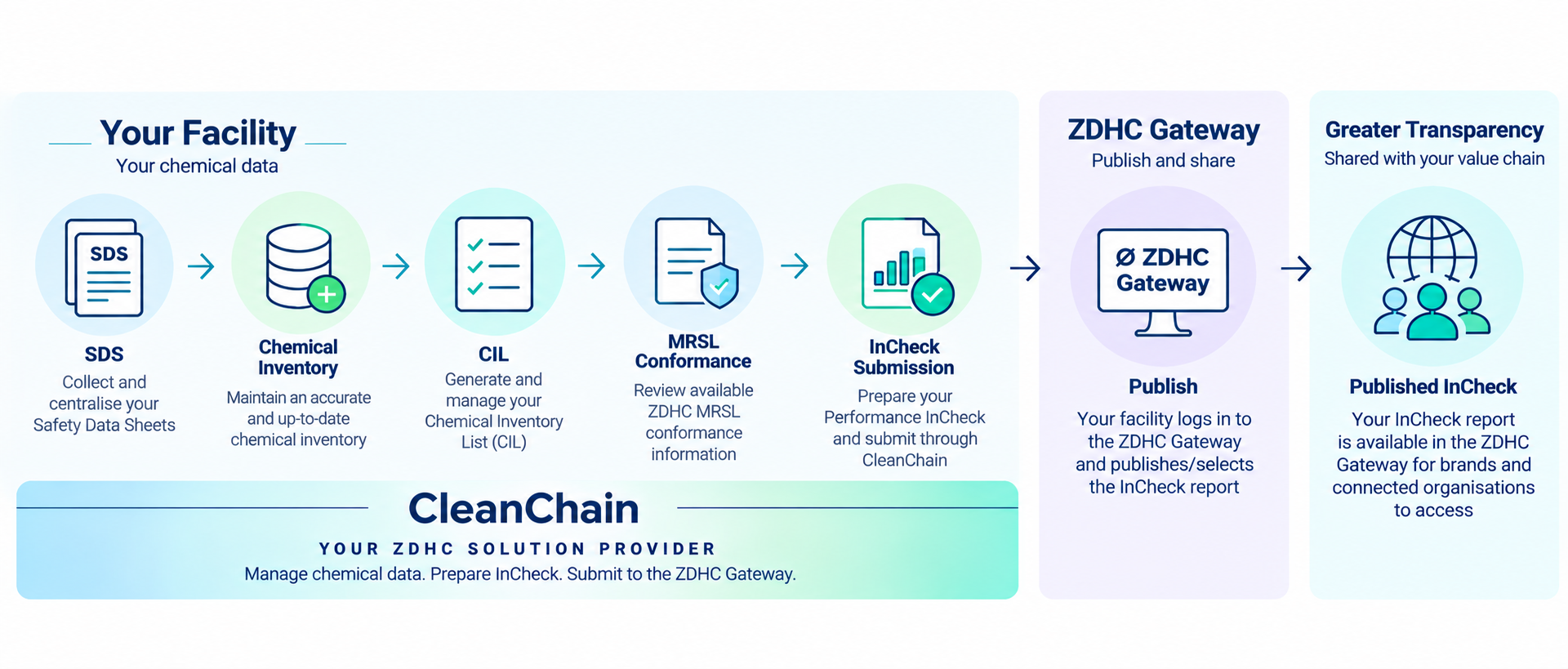
Platforms like CleanChain are closing this gap by turning SDS files into structured data that fuels compliance, sustainability reporting, safer substitution, and scalable supplier engagement.
The companies that embrace digital SDS management now will be the ones leading the way toward safer chemistry, lower environmental impact, and more responsible supply chains.
Contact us cleanchaininfo@adec-innovations.com