
Global PFAS regulations for apparel vary by country, with growing restrictions on the use and release of PFAS in textiles and consumer products.
Concerns about the environmental and health impacts of Per- and Polyfluoroalkyl Substances (PFAS) have led to increased scrutiny and regulations in various industries. The clothing and apparel sector is no exception, as PFAS are commonly used in water- and stain-resistant treatments for fabrics.
The environmental and health risks associated with PFAS have led regulatory bodies to act. PFAS are persistent in the environment and have been linked to various health issues. As a result, governments and regulatory agencies are implementing restrictions to minimize the release of PFAS into the environment.
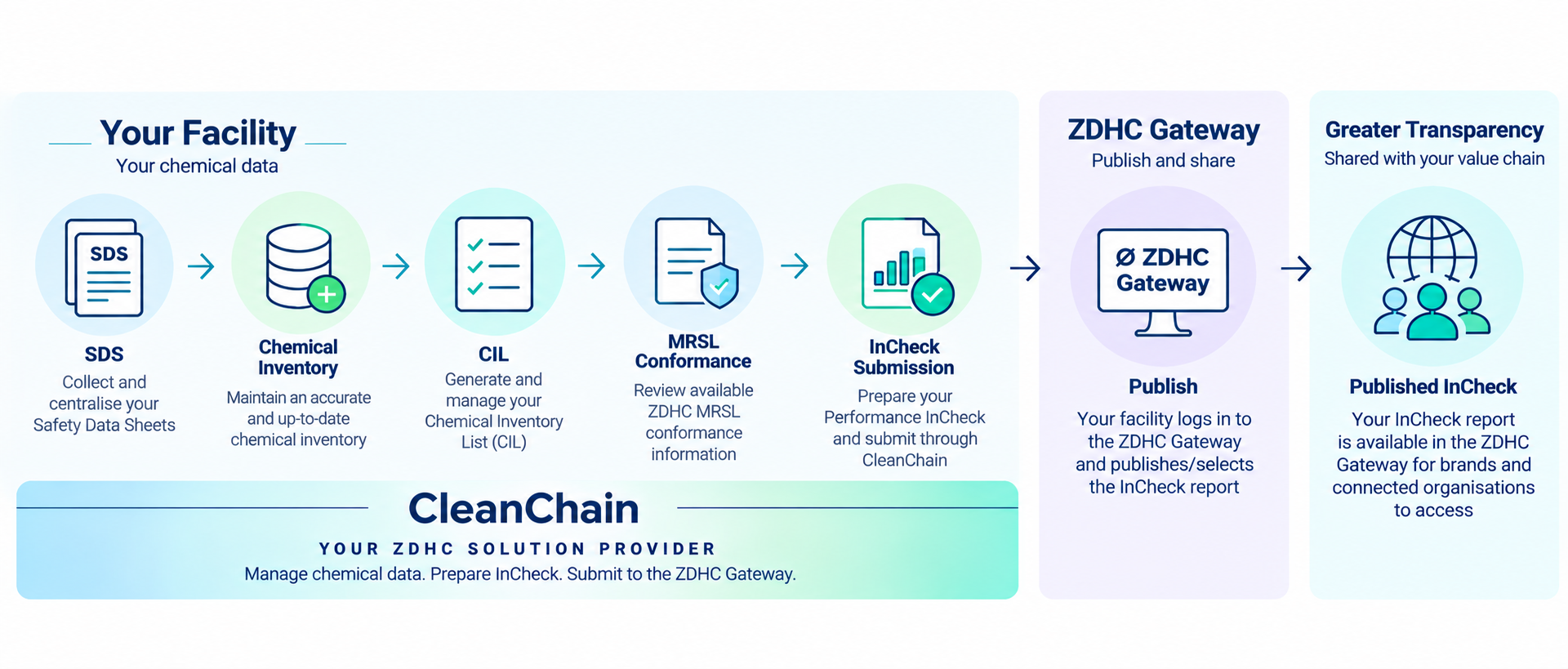
Global regulations concerning PFAS in clothing and apparel exhibit variability, as different countries and regions implement diverse strategies to restrict the incorporation and discharge of PFAS in consumer goods. The ZDHC MRSL takes a stance against specific detrimental chemical substances, prohibiting their deliberate use in manufacturing facilities engaged in processing textile materials, synthetic leather, leather, and trim parts for textiles and footwear. It provides the industry with a unified list of banned chemical substances and facilitates the ZDHC Gateway Chemical Module, which stands as the largest compilation of safer alternative chemical formulations meeting the ZDHC MRSL specifications.
Exploring the Implications of New and Emerging Legislations Surrounding PFAS Regulations for Apparel
In 2021, the U.S. Environmental Protection Agency pledged to enhance research on PFAS to better understand the health risks associated with various exposure levels. The same year, it published a roadmap for addressing PFAS, with goals set for 2024.
The European Union has proposed stringent regulations under REACH, its chemical regulation framework. If the European Chemicals Agency (ECHA) adopts the restriction proposal, manufacturers, importers, distributors and retailers would be banned from using most kinds of PFAS, with the exception of some that are seen as essential.
Starting on January 1, 2025, California will prohibit the manufacturing, selling, and distributing of textiles containing PFAS levels exceeding 100 parts per million (ppm), which is now considered the unsafe limit. Therefore, brands that want to get ahead of the chemical ban, should act now.
2026 PFAS Regulations for Apparel
In 2026, PFAS regulations for apparel continue to expand globally, with governments strengthening restrictions on the use of “forever chemicals” in textiles and consumer products.
- European Union (REACH): The proposed EU-wide PFAS restriction remains under evaluation by the European Chemicals Agency (ECHA) and EU institutions. Businesses are expected to prepare for one of the most comprehensive PFAS bans ever proposed, covering thousands of PFAS substances with limited exemptions.
- United States: The U.S. Environmental Protection Agency (EPA) continues implementing its PFAS Strategic Roadmap through expanded reporting, monitoring, and risk management measures. At the same time, several states, including Colorado, Maine, Minnesota, and New York are enforcing or introducing PFAS restrictions affecting textiles and apparel.
CleanChain: Bridging Compliance Gaps in the Era of PFAS Regulations for Apparel
CleanChain recognizes the challenges faced by companies in complying with PFAS regulations for apparel. Our platform is designed to help businesses streamline their supply chain processes, monitor chemical usage, and ensure compliance with evolving environmental regulations. CleanChain provides tools to assess and manage the presence of PFAS in the supply chain, enabling companies to make informed decisions about their materials and processes.
Key Features of CleanChain:
- Chemical Management: Track and manage the use of PFAS and other chemicals in your supply chain.
- Compliance Monitoring: Stay updated on changing PFAS regulations for apparel and ensure adherence to international standards.
- Supplier Collaboration: Engage with suppliers to implement PFAS-free alternatives and sustainable practices.
- Data Transparency: Enhance transparency by sharing information about your chemical management practices with stakeholders.
Get in touch: cleanchaininfo@adec-innovations.com