
As environmental concerns take center stage, brands, regulators, and consumers are demanding greater transparency and responsibility from suppliers.
But what does this mean for suppliers in the apparel and textile industry?
Environmental Concerns Take Center Stage
The numbers speak for themselves:
More than 80% of apparel brands say transparency, traceability, ESG certifications, and sustainable material usage have become prerequisites when selecting suppliers. As regulations tighten and reporting expectations grow, suppliers that can provide verifiable sustainability data are better positioned to win and retain business.
The textile and apparel industry is estimated to account for between 2% and 8% of global greenhouse gas emissions, making supply chain decarbonisation a growing priority for brands and manufacturers. The apparel industry is one of the largest contributors to climate change. Reducing carbon emissions is no longer just about compliance it’s about staying relevant in a market where sustainability is a key decision factor for brands and consumers alike.
Textile production accounts for 20% of global industrial water pollution. Chemical-intensive processes in textile manufacturing contribute to significant water pollution. Brands are increasingly enforcing stricter environmental requirements, making it essential for suppliers to improve wastewater management and chemical compliance.
How CleanChain Empowers Suppliers
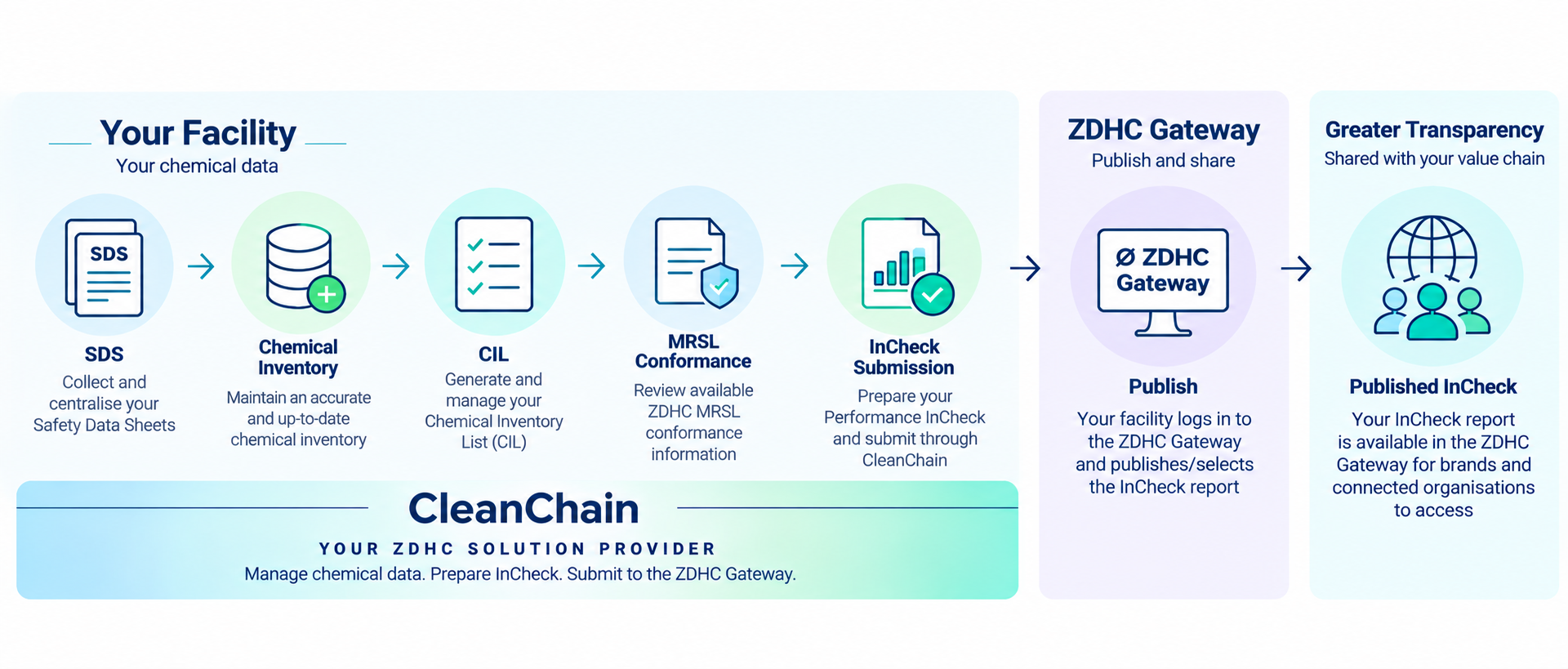
Suppliers need the right tools to navigate these challenges and meet sustainability goals. CleanChain simplifies environmental compliance and sustainability reporting, helping suppliers:
- Automate compliance tracking and ensure adherence to ZDHC MRSL, and other regulations.
- Reduce carbon and water footprints through real-time data insights and performance monitoring.
- Improve chemical management, ensuring safer and more sustainable production processes.
- Build trust with brands by providing verified, transparent sustainability data.
Environmental Concerns Take Center Stage in Apparel
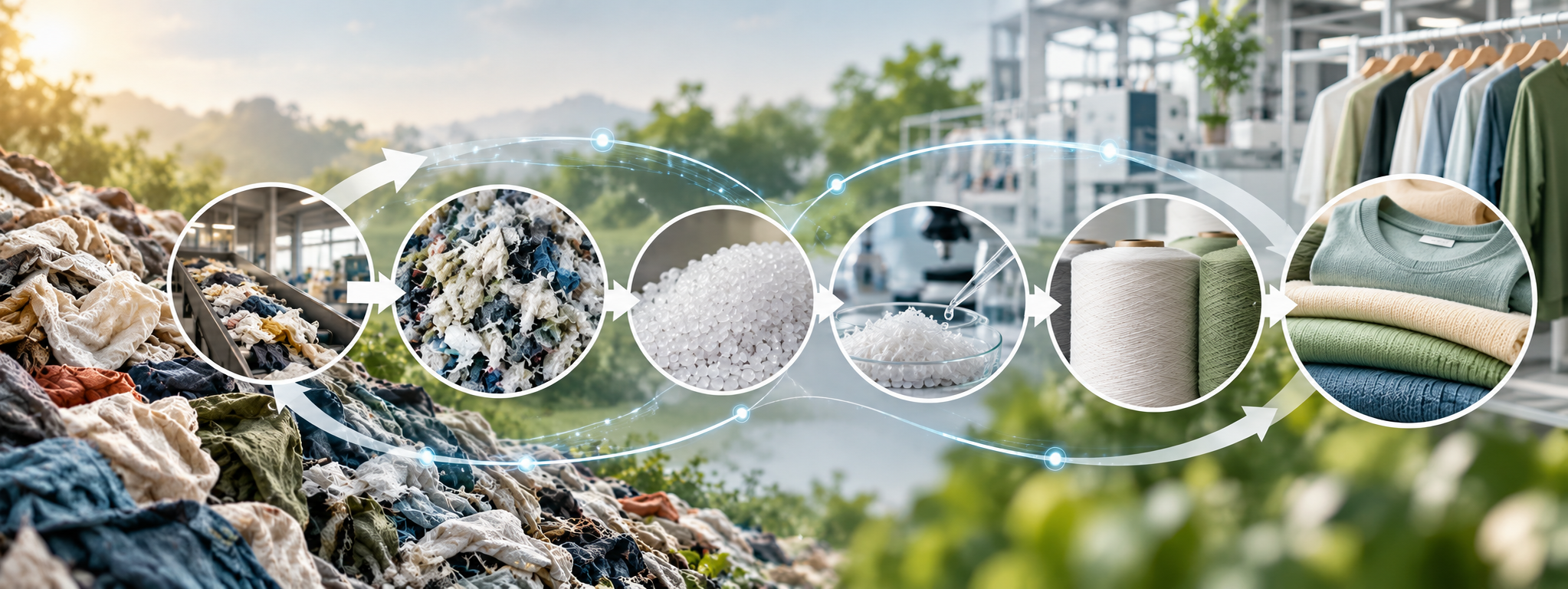
New regulations, including Corporate Sustainability Reporting Directive (CSRD) requirements, Digital Product Passports (DPPs), and extended producer responsibility (EPR) schemes, are driving the need for greater transparency and traceability across the value chain. As a result, apparel brands are investing in more sustainable materials, responsible chemical management, and digital solutions that provide accurate, verifiable environmental data. Organisations that can demonstrate measurable progress and collaborate effectively with suppliers will be better positioned to meet regulatory requirements, strengthen customer trust, and remain competitive in an increasingly sustainability-driven market.
The Future of Sustainable Supply Chains
Sustainability is not just about meeting regulations, it’s about gaining a competitive advantage, strengthening brand relationships, and future-proofing your business. As sustainability expectations continue to rise, suppliers that proactively adapt will be best positioned for long-term success.
Contact us cleanchaininfo@adec-innovations.com