
Collaborations like the partnership between CleanChain and UL Solutions are revolutionising chemical management in textile operations.
Revolutionising chemical management in textile operations
Manual processes pose a significant obstacle to efficiency and agility. These antiquated methods not only result in errors and delays but also hinder the rapid response required in this fast-paced market. To stay competitive, textile suppliers must prioritize the adoption of objective, real-time data to optimise speed, quality, pricing, and compliance across their operations.
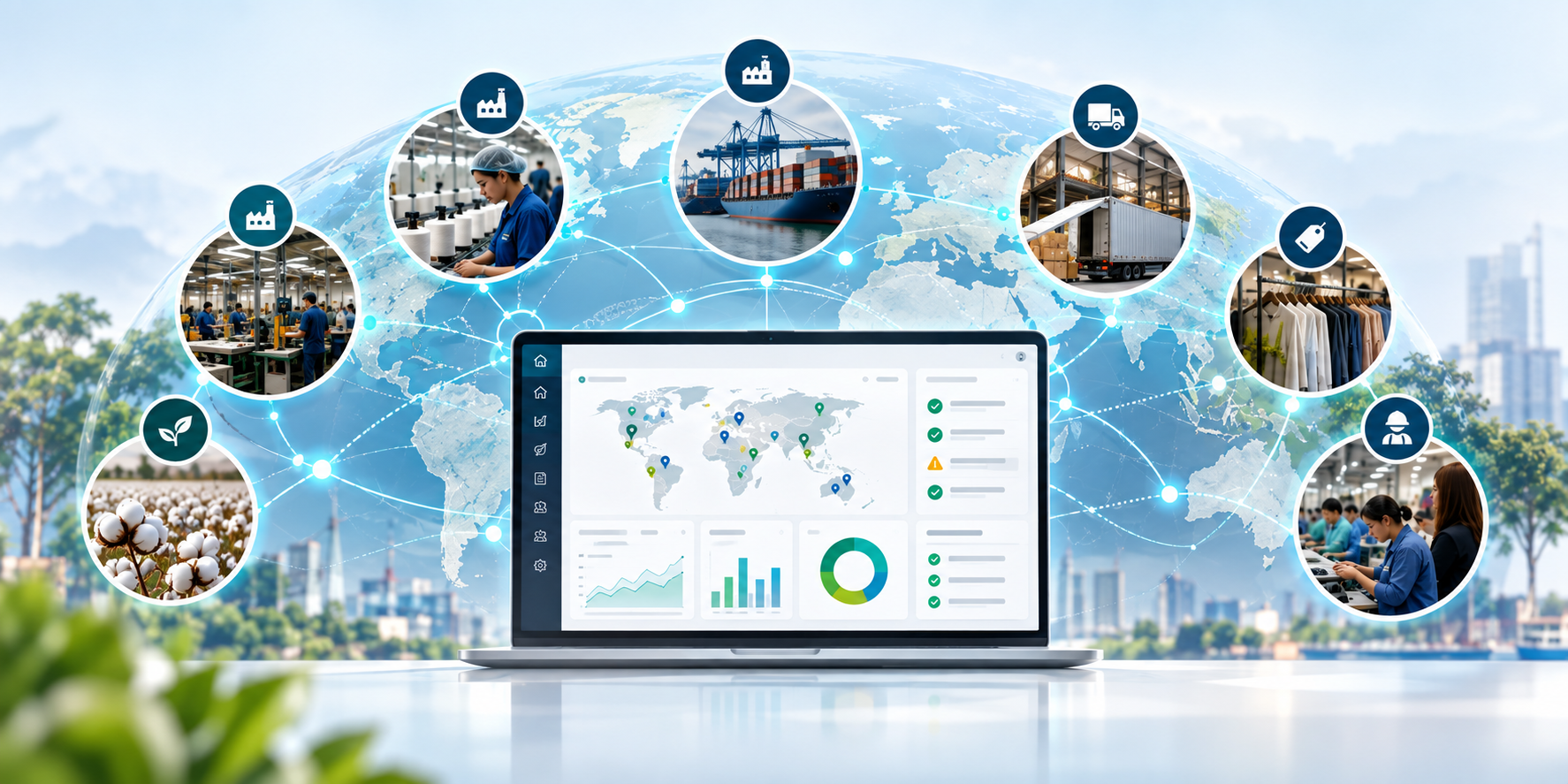
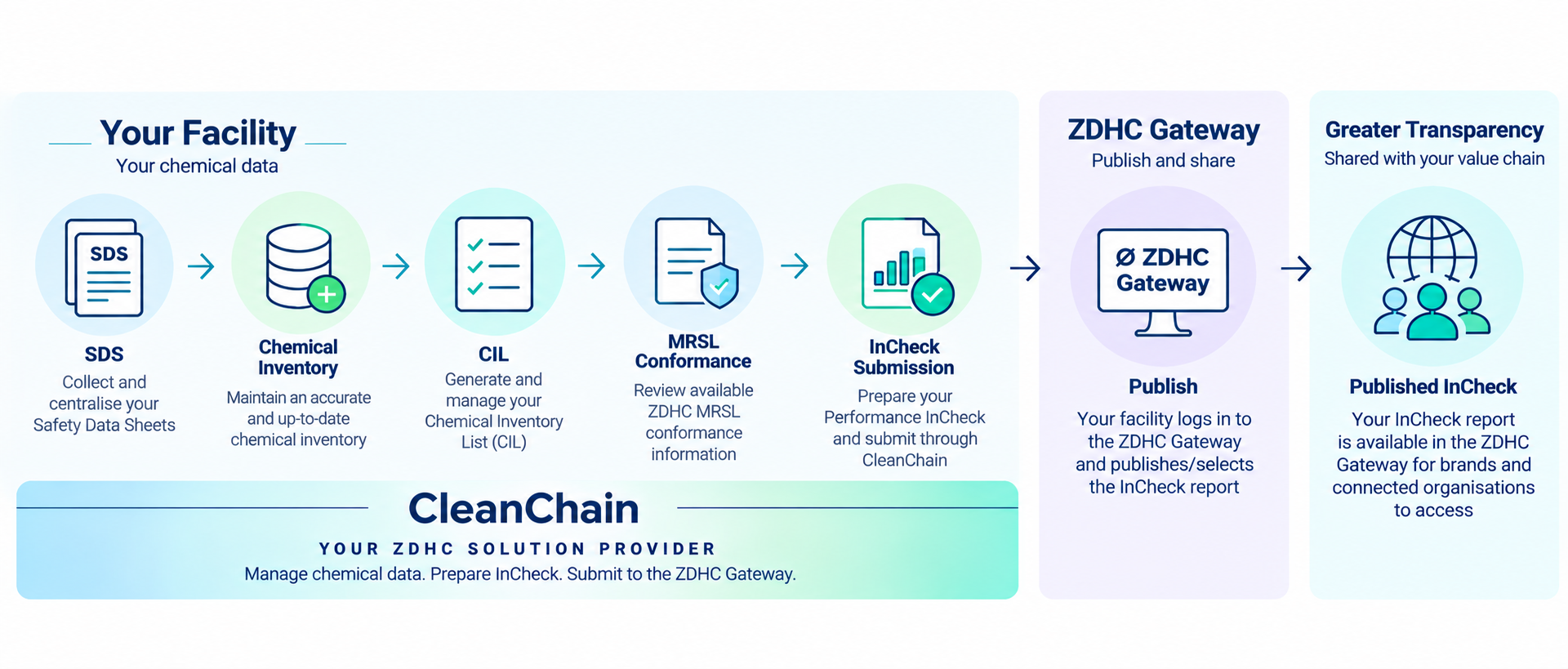
Chemical management in textile operations is a critical component, ensuring that chemicals used throughout the manufacturing process are safely managed, compliant with regulations, and environmentally responsible. From dyes, auxiliaries, and finishing agents to cleaning chemicals, effective chemical management in textile operations helps maintain product quality, protect worker health, reduce environmental impact, and meet customer and regulatory requirements such as ZDHC MRSL, REACH, and other global standards. By implementing digital chemical management systems, textile manufacturers can gain greater visibility into chemical inventories, streamline supplier collaboration, improve traceability, simplify compliance reporting, and reduce the risk of hazardous substances entering their supply chain.
Embracing data-driven decision-making is essential for factories seeking to balance profitability with sustainability goals. In this digital age, leveraging technology becomes paramount, guiding the way towards streamlined textile operations and sustainable growth.
Another common challenge faced by textile operations is the limitation posed by small internal teams. Juggling expansive supply chains with limited resources often leads to overwhelmed teams struggling to keep up with supplier management. Brands contend with small, overburdened teams that struggle to maintain the pace of supplier management, frequently prioritising immediate tasks over long-term strategic initiatives. Notably, 86% of sustainability leaders recognise the limitations posed by their understaffed sustainability teams, hindering their ability to achieve net zero targets and sustainably transform their operations.
Short-term tasks frequently take precedence over long-term strategic initiatives, hampering overall efficiency. Notably, recent reports reveal a widespread lack of visibility in supply chains, with just 13% of firms capable of mapping their entire network. This lack of transparency impedes efforts to assess and mitigate the environmental impact of supply chains, exacerbating sustainability challenges within the textile industry.
Textile production contributes significantly to global clean water pollution, accounting for approximately 20% of contamination from dyeing and finishing processes. A single laundry cycle of polyester garments can release around 700,000 microplastic fibers, ultimately entering the food chain.
The washing of synthetic textiles results in the deposition of over half a million tons of microplastics into the oceans annually. Beyond this widespread environmental concern, the pollution stemming from garment production profoundly impacts the well-being of local communities, wildlife, and ecosystems near manufacturing facilities.
To address these issues, innovative solutions are needed. Collaborations like the partnership between CleanChain and UL Solutions are revolutionizing chemical management in textile operations. This strategic alliance offers textile operations an opportunity to streamline operations and enhance sustainability practices. For inquiries or to explore the advantages of this partnership for your textile operations, please don’t hesitate to contact us.
Contact us: cleanchaininfo@adec-innovations.com