
A New Era of Transparency
With the EU’s Ecodesign for Sustainable Products Regulation (ESPR) introducing the Digital Product Passport (DPP), manufacturers are being driven toward a new benchmark for transparency—one built on structured, verifiable, and easily shareable data across the product lifecycle.
The Digital Product Passport is a new EU requirement set to become mandatory from 2027 for priority product groups, with a broader rollout expected through to 2030. Introduced under the ESPR framework, it establishes a standardised digital record that consolidates key lifecycle information for each product in a consistent, machine-readable format.
This includes critical data such as material composition, carbon footprint, repairability, and end-of-life instructions. Typically accessed via a QR code or similar digital identifier, the DPP is designed to make product information more transparent, accessible, and comparable across supply chains, enabling regulators, businesses, and consumers to make better-informed decisions.
Complex Supply Chains Meet Regulatory Demand
For an industry defined by multi-tiered supply chains and rapid product cycles, this is no small adjustment. It marks a move away from fragmented compliance processes toward a system where sustainability, chemical information, and product data must be consistently organised and readily accessible.
What the Digital Product Passport Requires
At its core, the Digital Product Passport is designed to provide a digital record of a product’s lifecycle capturing information on materials, substances of concern, environmental impact, and compliance status. For electronics companies, this means greater scrutiny of everything from component sourcing to chemical usage in manufacturing processes.
The Challenge of Data Fragmentation
The real challenge lies not in the concept, but in execution. Across the sector, data is often dispersed across suppliers, formats, and systems. Chemical information may sit in spreadsheets, PDFs, or siloed platforms, making it difficult to verify, standardise, or share. As Digital Product Passport requirements are phased in by product category, companies that rely on manual processes or disconnected systems risk falling behind.
Data Readiness as a Competitive Advantage
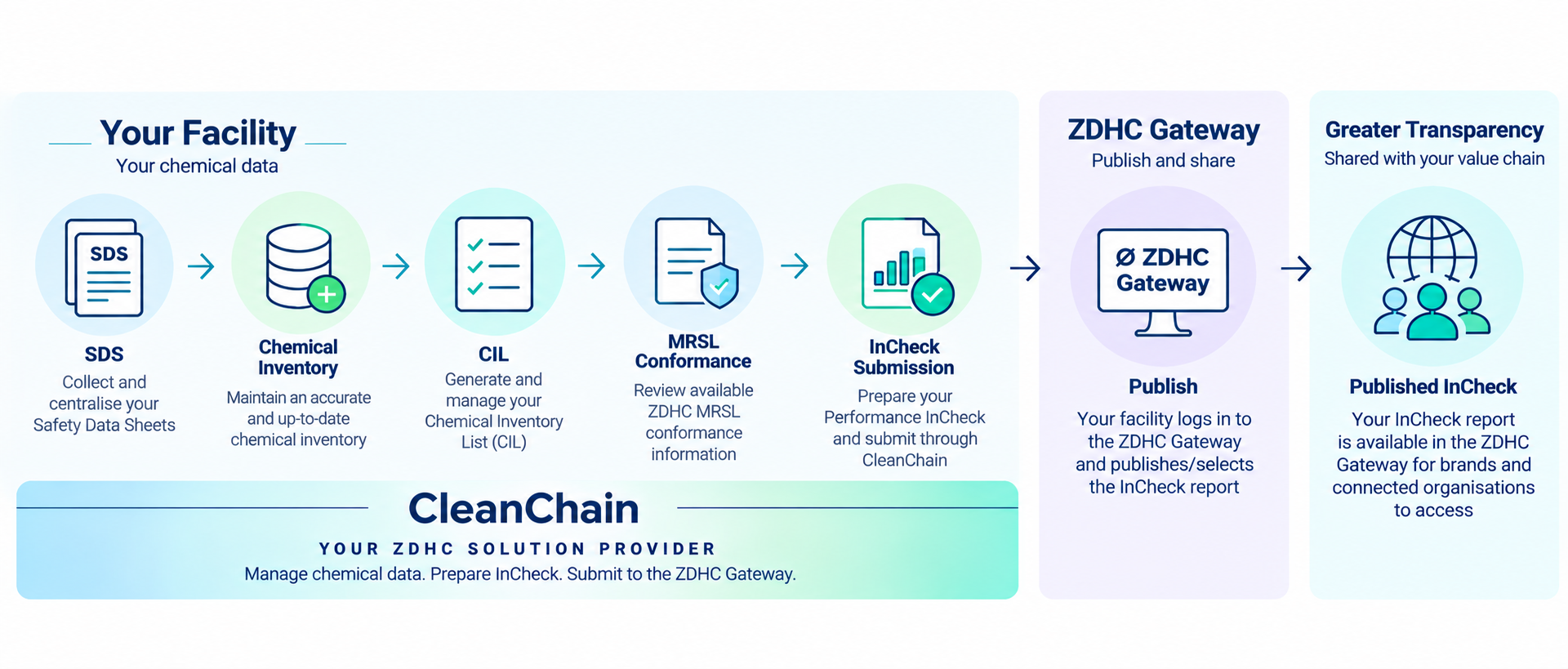
Platforms like CleanChain are emerging as critical enablers, helping companies organise chemical and sustainability data into structured, audit-ready formats. By transforming fragmented information into a single, reliable source of truth, such solutions make it easier to meet reporting requirements, demonstrate compliance, and respond to stakeholder demands with confidence.
Beyond Compliance: Building Trust and Market Access
For electronics manufacturers, the implications go beyond regulatory compliance. The DPP will increasingly shape how products are evaluated by customers, partners, and regulators. Transparency will not just be expected it will be visible and comparable. Companies that can clearly demonstrate the safety, sustainability, and compliance of their products will be better positioned to build trust, secure market access, and strengthen supplier relationships.
Preparing Today for Tomorrow’s Standards
While detailed Digital Product Passport requirements will continue to evolve through delegated acts, the direction of travel is clear: structured data, interoperability, and traceability will underpin the future of product compliance in the EU. For the electronics industry, preparing for the Digital Product Passport is not a future consideration it is a present priority. Those investing now in data infrastructure, supplier engagement, and digital compliance tools will not only meet regulatory expectations but also gain a strategic advantage in an increasingly transparent marketplace.
Equally important is the shift in mindset required across organisations. Compliance can no longer sit in isolation within quality or regulatory teams. It must become an integrated function that connects procurement, operations, sustainability, and product development. This cross-functional approach ensures that data is captured correctly at source, rather than corrected retrospectively under audit pressure.
Early adopters are already recognising that readiness is not simply about meeting minimum requirements, but about building resilience. As supply chains become more complex and stakeholder expectations rise, the ability to rapidly assemble, validate, and share product data will define operational agility. In this environment, digital infrastructure has moved beyond being optional, it is now a core requirement for sustaining long-term competitiveness and maintaining market relevance in an increasingly regulated global economy.
Contact us: cleanchaininfo@adec-innovations.com