Founded in 1990, Diamond Fabrics Ltd is a leading and highly diversified producer of woven fabrics in Pakistan.
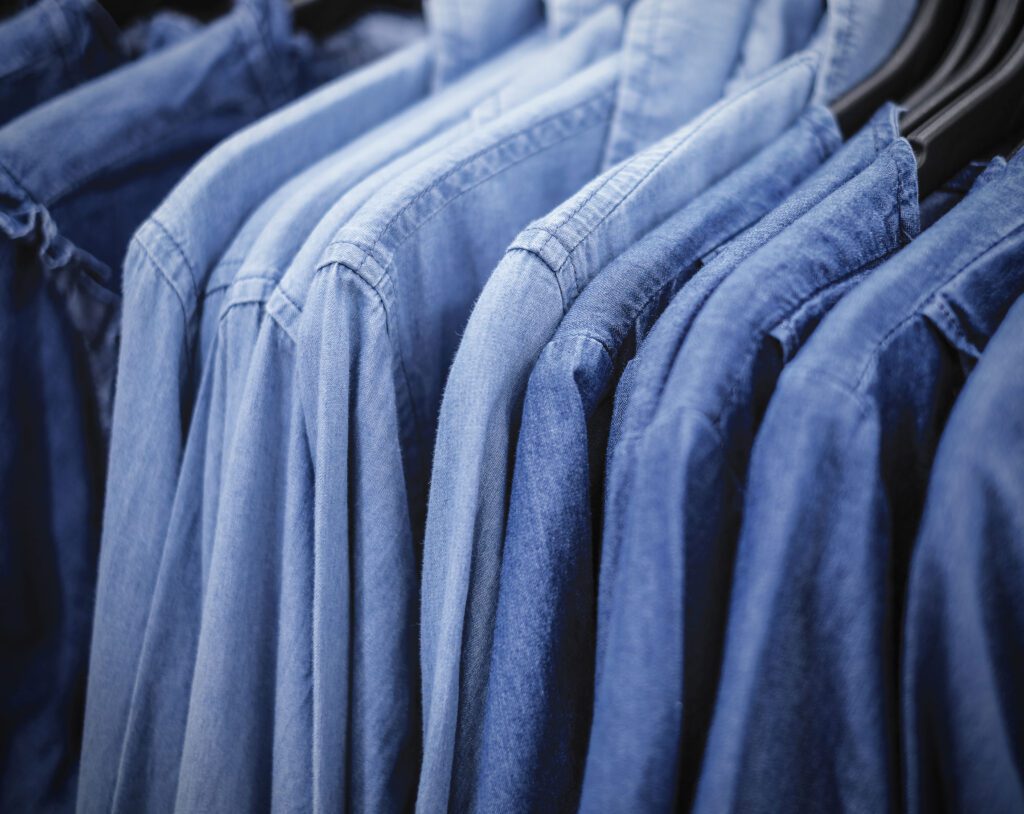
The company operates a fully vertically integrated facility, managing everything from yarn production to finished garments. Using advanced machinery from global leaders, Diamond Fabrics produces a wide range of cotton blends and meets over 90% of its yarn requirements, with a spinning capacity of 26,000 bags per month. Its state-of-the-art weaving, finishing, and garment facilities deliver 65 million meters of fabric annually and 1.4 million garments monthly, including jeans, chinos, skirts, and fashion pieces with sustainable washes, combining quality, efficiency, and sustainability.
Challenges for Diamond Fabrics
Before adopting CleanChain, the organisation faced several significant hurdles in chemical compliance and supply chain management:
- While ZDHC provided a central compliance framework, overlapping MRSL requirements added complexity.
- Multiple standards, including GOTS and OEKO-TEX Eco Passport, created fragmented and sometimes conflicting compliance expectations.
- Limited mutual recognition among certification bodies led to duplicated efforts and inefficiencies.
- Reliance on fragmented data systems and manual processes increased the risk of errors.
- Lack of supply chain transparency and realtime monitoring delayed issue detection.
- Inconsistent supplier capabilities and interpretations hindered standardised compliance.
- High audit burdens and operational costs strained resources before CleanChain implementation.
CleanChain Solutions
- Real-time compliance through direct API integration with ZDHC, ensuring accurate InCheck reporting.
- Transparent chemical data sharing with partners, leveraging screened chemistry information.
- Automated monthly CIL generation replaced manual spreadsheet tracking, streamlining inventory management.
- Bulk SDS upload functionality reduced administrative workload and improved efficiency.
- Integrated insights on SVHCs, ZDHC MRSL, and MMCF enabled informed chemical management decisions.
- Centralised data systems enhanced supply chain transparency, traceability, and consistency.
- Dashboards and analytics facilitated proactive compliance monitoring and risk mitigation.
- Standardised workflows and automated reporting lowered audit burdens and boosted overall operational efficiency
Key Results
- Enhanced Compliance & Accuracy
Real-time integration with Zero Discharge of Hazardous Chemicals (ZDHC) ensures accurate InCheck reporting and improved MRSL conformance. Minimises data discrepancies through direct API connectivity and standardised compliance frameworks. - Improved Transparency & Traceability
Centralised chemical data management provides end-to-end supply chain visibility while enabling seamless collaboration and data sharing with partners, including brands. - Operational Efficiency & Automation
Automates Chemical Inventory Lists (CIL), reporting and documentation, reducing manual workload. Bulk SDS upload and streamlined workflows significantly lower administrative effort and time. - Proactive Risk Management
Built-in analytics and dashboards enable early identification of non-compliance risks. Supports informed decision-making with integrated insights on SVHC, MRSL and other regulatory parameters. - Cost & Audit Optimisation
Reduces audit fatigue through standardised processes and centralised documentation. Lowers operational costs by eliminating redundant systems and improving process efficiency.
Client quote
“At Diamond Fabrics Limited, we are committed to shaping the future of the textile industry through continuous improvement, responsible growth, and sustainable innovation. As part of the Sapphire Group, we focus on delivering high-quality products while embracing practices that drive long-term impact. Sustainability is at the heart of our vision, and by leveraging CleanChain, we are enhancing traceability, transparency, and efficiency across our operations. Integrating these principles allows us to foster innovation, circularity, and collaboration creating a textile industry that balances performance with environmental and social responsibility. Together, we are redefining the future of textiles.”
-Saqib Shahzad,
General Manager
Compliance & Sustainability